






What's Happening?
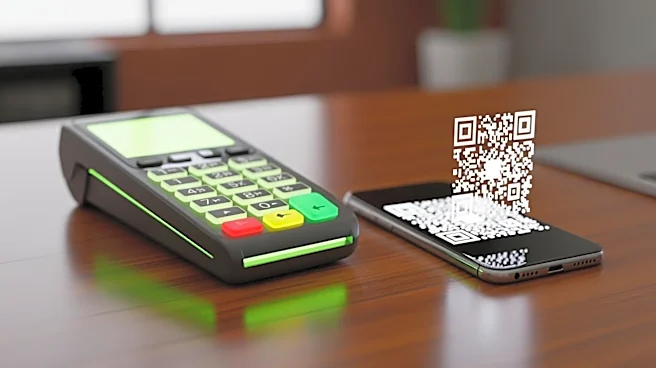
PayPal has announced the integration of Brazil's instant payment system, Pix, into its Complete Payments platform. This move is aimed at supporting small and medium-sized businesses (SMBs) in Brazil by offering a payment method that is widely used by over
170 million Brazilians. Pix, since its inception in 2020, has become a dominant force in Brazil's digital payment landscape, processing approximately 196 billion transactions with a total volume of around US$16 trillion. By incorporating Pix, PayPal aims to reduce friction at checkout screens and provide a seamless payment experience that aligns with the preferences of Brazilian consumers. This integration is part of PayPal's strategy to expand its local capabilities as it marks 15 years of operations in Brazil.
Why It's Important?
The integration of Pix into PayPal's platform is significant for Brazilian SMBs as it allows them to tap into a payment system that has become integral to the country's commerce. With over 90% of the adult population in Brazil having used Pix, the move is expected to boost conversion rates for businesses by providing a familiar and trusted payment method. This development underscores the importance of digital agility in today's market, where consumer preferences are rapidly shifting towards instant and secure payment solutions. For PayPal, this expansion enhances its competitive edge in the Brazilian market by aligning its services with local consumer behavior and needs.
What's Next?
As PayPal continues to integrate Pix into its platform, it is likely to see increased adoption among Brazilian SMBs seeking to improve their payment processes. The success of this integration could lead to further innovations and partnerships aimed at enhancing digital payment solutions in Brazil. Additionally, other international payment platforms may follow suit, seeking to incorporate local payment systems to better serve regional markets. The ongoing evolution of digital payments in Brazil will likely influence broader trends in Latin America, as businesses and consumers increasingly prioritize convenience and security in their transactions.