







What's Happening?
A study published in the International Journal of Public Health suggests that moderate wine consumption may slow biological aging. The research involved 22,495 adults categorized by drinking habits, revealing that men who consumed wine in moderation,
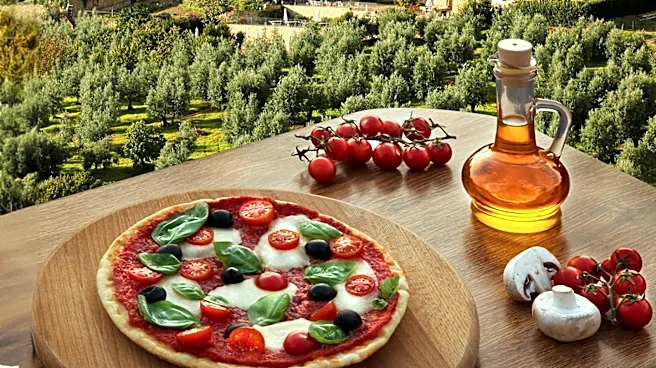
consistent with the Mediterranean Diet, showed slower biological aging compared to abstainers. The study attributes these effects to bioactive compounds in wine, such as polyphenols, which are known for their antioxidant properties. However, the study cautions that excessive alcohol consumption negates these benefits, and further research is needed to confirm causation.
Why It's Important?
This study contributes to the ongoing debate about the health benefits of alcohol consumption, particularly wine. It suggests potential benefits for longevity and cardiovascular health, which could influence dietary recommendations and public health policies. The findings may encourage moderate wine consumption as part of a balanced diet, particularly the Mediterranean Diet, known for its health benefits. However, the study also highlights the need for personalized health advice, as alcohol affects individuals differently.
What's Next?
Further research is necessary to explore the relationship between wine consumption and biological aging, particularly in women, who metabolize alcohol differently. This could lead to more nuanced dietary guidelines that consider individual health profiles and lifestyle factors. Public health campaigns may also need to address the risks of excessive alcohol consumption while promoting the potential benefits of moderate intake.