
What's Happening?
Madewell, Re&Up Recycling Technologies, and Isko have collaborated to launch a 'textile-to-textile' denim collection. This initiative involves transforming 20,000 used jeans into high-quality recycled
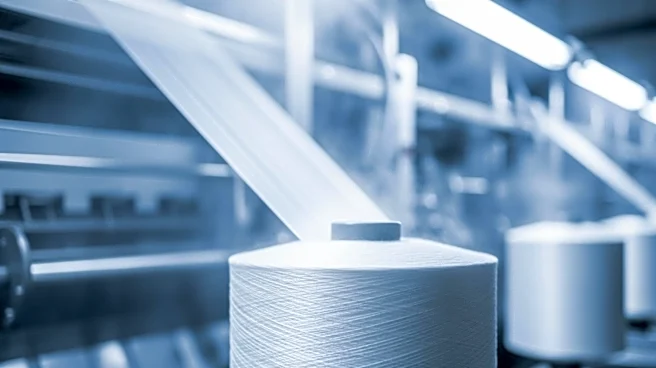
raw materials, demonstrating the market readiness of circular systems in the denim sector. Re&Up's advanced recycling technology processes mixed fabrics into next-gen cotton and polyester fibers, which are then turned into Global Recycled Standard certified fabrics by Isko. Madewell has used these materials for a capsule collection available online, continuing its decade-long denim take-back initiative.
Why It's Important?
This collaboration highlights the potential for circular systems in the fashion industry, addressing sustainability challenges by closing the loop on post-consumer denim. By reintegrating recycled materials into the supply chain, brands can create repeatable, closed-loop production cycles, reducing waste and environmental impact. The initiative sets a precedent for other fashion brands to adopt similar practices, potentially transforming industry standards and consumer expectations. It also showcases the role of technology in advancing sustainable fashion solutions.
What's Next?
The success of this denim collection could encourage more brands to explore circular systems and sustainable practices. As consumer demand for eco-friendly products grows, companies may invest in recycling technologies and take-back initiatives. This could lead to increased collaboration between brands and technology providers, driving innovation in sustainable fashion. Additionally, regulatory pressures and environmental concerns may push the industry towards more sustainable practices, influencing future product development and marketing strategies.
Beyond the Headlines
The collaboration between Madewell, Re&Up, and Isko reflects broader trends in corporate responsibility and sustainability. As consumers become more environmentally conscious, brands are increasingly held accountable for their environmental impact. This shift could lead to changes in business models, with companies prioritizing sustainability and transparency. The initiative also raises ethical considerations about the fashion industry's role in environmental degradation and the importance of sustainable practices in mitigating these effects.