




What's Happening?
Armedangels, a sustainable apparel brand based in Cologne, Germany, is launching its operations in the United States. Founded by Martin Höfeler and Anton Jurina in 2007, the company has built a reputation in Europe for its commitment to ethical fashion,
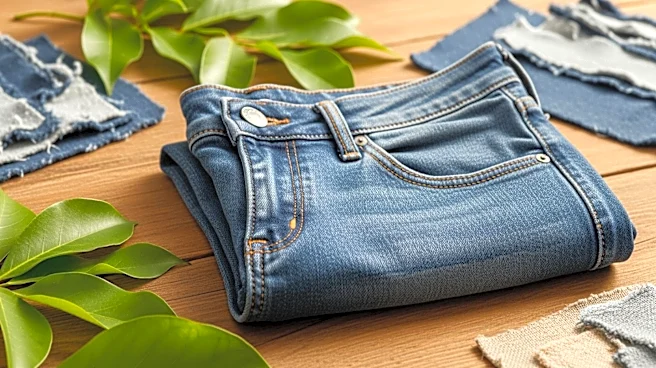
focusing on fair working conditions, innovative materials, and transparent supply chains. The brand's entry into the U.S. market is seen as a strategic move to tap into the growing demand for responsibly produced apparel. Armedangels is known for its Detox Denim program, which uses organic and recycled materials to minimize the environmental impact of denim production. The company also emphasizes transparency through digital product passports and annual impact reports, which detail their progress in sustainability. Höfeler believes that the brand's focus on longevity and fair pricing will resonate with American consumers, particularly in urban areas like New York and Los Angeles, where there is a strong interest in sustainable consumption.
Why It's Important?
The launch of Armedangels in the U.S. highlights a significant shift in consumer preferences towards sustainable fashion. As awareness of environmental issues grows, more consumers are seeking products that align with their values, creating opportunities for brands like Armedangels that prioritize sustainability. This move could influence other apparel companies to adopt similar practices, potentially leading to broader industry changes. However, the U.S. market presents challenges, such as consumer skepticism due to greenwashing and a fragmented landscape of sustainability claims. Armedangels' commitment to transparency and ethical production could set a new standard in the industry, encouraging more brands to provide verifiable information about their sustainability efforts.
What's Next?
Armedangels plans to establish a strong presence in the U.S. through a direct-to-consumer (DTC) model, with future expansion into physical retail and wholesale partnerships. The brand aims to build trust and credibility with American consumers by demonstrating the quality and transparency of its products. Success in the U.S. market could pave the way for further growth and influence in the global fashion industry. As the brand gains traction, it may also contribute to increased consumer awareness and demand for sustainable fashion, potentially driving more companies to adopt ethical practices.