






What's Happening?
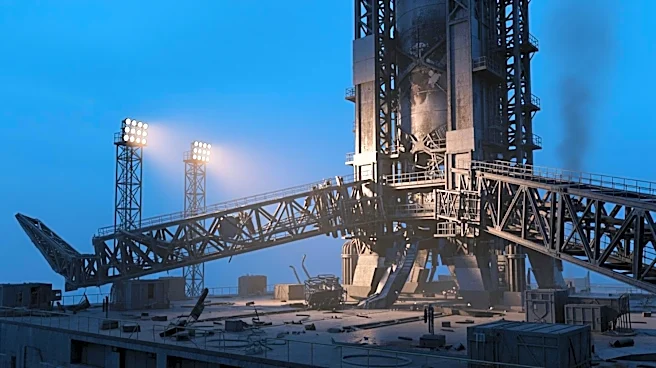
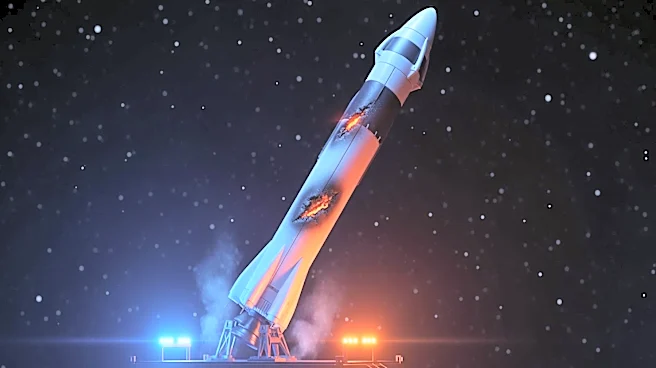
Blue Origin's CEO Dave Limp announced that the damage to the New Glenn launch pad is less severe than initially feared, allowing for a potential relaunch by the end of the year. The May 28 explosion during a static-fire test caused significant damage,
including the destruction of a lightning tower and the rocket's transporter-erector. However, key infrastructure such as storage tanks for liquid oxygen, hydrogen, and methane remain intact. The company is exploring alternative methods for launching the rocket, bypassing the need for a new transporter-erector.
Why It's Important?
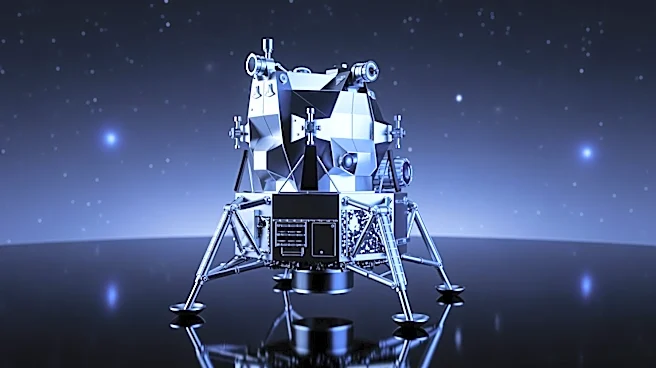
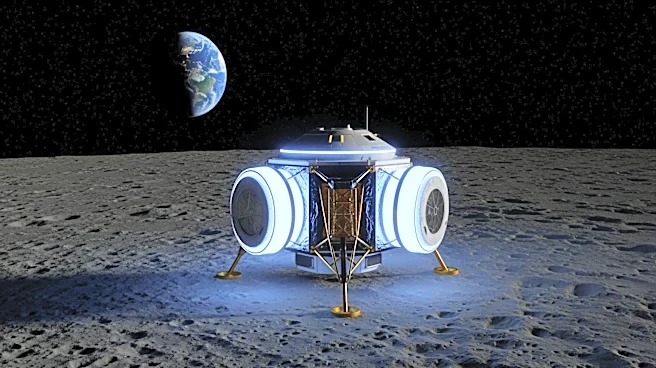
The New Glenn rocket is integral to Blue Origin's commitments to NASA and other clients, including missions related to the Artemis program. Delays in its launch could impact NASA's timeline for returning humans to the moon. The ability to quickly repair and relaunch the rocket is crucial for Blue Origin's standing in the competitive aerospace industry. The incident highlights the inherent risks of space exploration and the importance of resilience and innovation in overcoming setbacks.
What's Next?
Blue Origin is working to complete repairs and resume launches to fulfill its contractual obligations. The company is also investigating the cause of the explosion to prevent future incidents. NASA is monitoring the situation closely, as any delays could affect the timeline for the Artemis missions. Blue Origin's ability to recover from this setback will be critical in determining its future role in space exploration and its relationship with key partners like NASA.