



What's Happening?
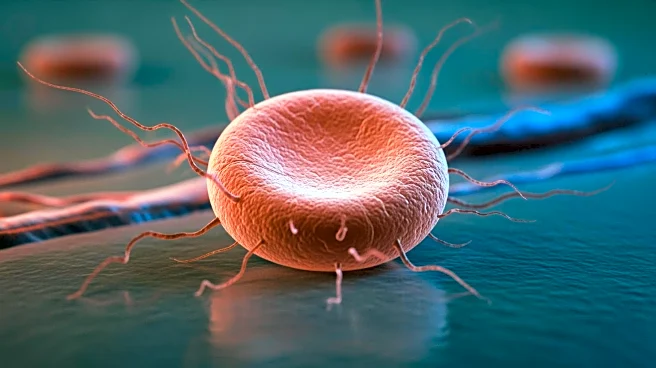
A study conducted by the University of Colorado Anschutz suggests that ultramarathon running may prematurely age red blood cells. Researchers collected blood samples from 23 runners before and after races of 25 and 106 miles. They found that red blood cells became less flexible, a change crucial for transporting oxygen and nutrients. The damage, both physical and molecular, is attributed to the pressure of blood flow and oxidative stress during long runs. While the study's sample size was small, it raises concerns about the long-term effects of extreme endurance events on the body.
Why It's Important?
The findings are significant as they highlight potential health risks associated with ultramarathon running, a sport growing in popularity. The accelerated aging of
red blood cells could impact overall health, leading to conditions like anemia. Understanding these effects is crucial for athletes who engage in extreme endurance sports, as it may influence training and recovery strategies. Additionally, the research could inform blood storage practices, potentially extending the shelf life of donated blood, which is vital for medical treatments.
What's Next?
Future research is needed to explore the long-term impacts of ultramarathon running on red blood cells and overall health. Larger studies with diverse participants could provide more comprehensive insights. Researchers also aim to investigate how these findings can improve blood storage and preservation, addressing chronic shortages in hospitals. Personalized training and recovery plans may be developed to mitigate the risks identified in the study.