



What's Happening?
Ali Van De Graaff, an Oregon mother of four, has gained significant attention online after sharing her strategy to avoid expensive airport food during a flight delay. While traveling with her family from Rogue Valley International–Medford Airport, Van De Graaff opted
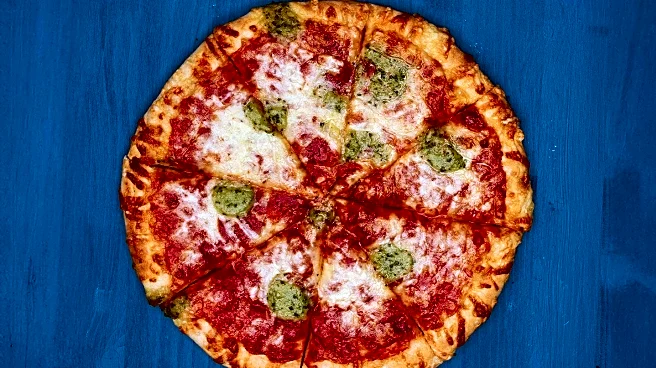
to order Domino's pizza instead of purchasing costly airport meals. The family used an app to have the pizzas delivered directly to the airport, which they then carried through security. This decision, shared on her Instagram account, has sparked a debate. Some viewers praised the move as a clever parenting hack, while others criticized it as inconsiderate due to the potential disturbance caused by the pizza's aroma on the plane.
Why It's Important?
This incident highlights the ongoing issue of high food prices at airports, which can be a significant burden for travelers, especially families. Van De Graaff's story resonates with many who have experienced similar frustrations, prompting discussions about the affordability and accessibility of airport dining options. The viral nature of her post underscores the power of social media in amplifying consumer experiences and influencing public discourse. Additionally, it raises questions about the balance between personal convenience and public etiquette in shared spaces like airplanes.
What's Next?
The debate initiated by Van De Graaff's post may encourage airports and airlines to reconsider their food pricing strategies and offerings. As travelers increasingly share their experiences online, there could be a push for more affordable and diverse food options at airports. Airlines might also need to address passenger concerns about bringing outside food on board, potentially revising policies to accommodate or restrict certain items. This situation could lead to broader discussions about customer service and satisfaction in the travel industry.
Beyond the Headlines
Beyond the immediate controversy, this story touches on broader themes of consumer rights and the impact of social media on business practices. It highlights how individual actions, when shared widely, can prompt larger conversations about industry standards and customer expectations. The incident also reflects cultural shifts towards more personalized and cost-effective travel experiences, as consumers seek alternatives to traditional services. This trend may influence future developments in the travel and hospitality sectors.