



What's Happening?
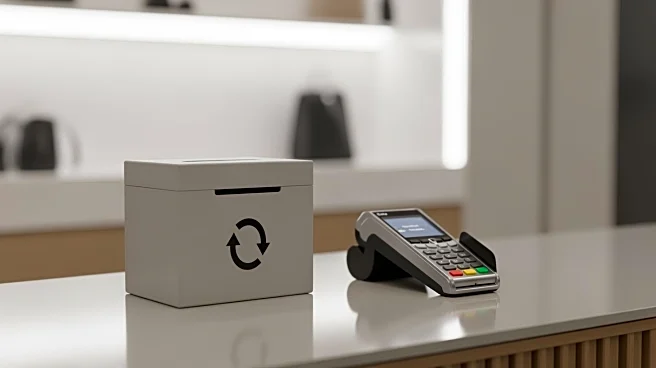
Several major retailers, including Amazon, have introduced fees for returning items, even if they are unopened and in perfect condition. This change affects consumers who may be looking to return unwanted Christmas gifts. Amazon has tightened its return policy, charging fees unless customers use its box-free, in-person drop-off option. Other retailers such as Macy's, TJ Maxx, Marshalls, J. Crew, Abercrombie & Fitch, H&M, and Zara have also implemented similar fees, ranging from $3.99 to $11.99 for mail-in returns. Best Buy charges up to $45 for returning certain electronics. According to the National Retail Federation, Americans are expected to return an estimated $850 billion worth of items this year, with nearly 20% of online purchases being
returned.
Why It's Important?
The introduction of return fees by major retailers reflects the increasing cost pressures faced by merchants. These fees are a response to the financial burden of handling returns, which has been exacerbated by tariff policies and other economic factors. For consumers, this means a potential increase in the cost of shopping, as they may need to pay additional fees to return items. This shift could impact consumer behavior, leading to more cautious purchasing decisions and a potential decrease in online shopping. Retailers are attempting to offset the costs associated with returns by sharing the burden with shoppers, which could influence the overall retail landscape.
What's Next?
As retailers continue to face economic pressures, it is likely that more companies will adopt similar return fee policies. Consumers may need to become more aware of return policies before making purchases to avoid unexpected costs. Retailers might also explore alternative solutions to manage return costs, such as improving product descriptions and customer service to reduce the likelihood of returns. Additionally, there could be increased demand for services that facilitate easier and more cost-effective returns, potentially leading to innovations in the logistics and retail sectors.