



What's Happening?
Treasury yields in the United States increased on Wednesday as investors reacted to a persistent February inflation report and fluctuating oil prices due to ongoing developments in the U.S.-Iran conflict. The benchmark 10-year Treasury yield rose by over
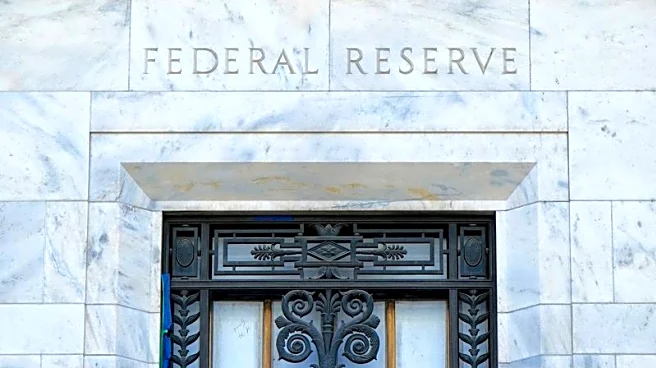
8 basis points to 4.222%, while the 30-year Treasury bond yield increased by more than 9 basis points to 4.87%. Additionally, the 2-year Treasury note yield advanced by over 7 basis points, reaching 3.644%. These movements come as investors anticipate the Federal Reserve's next steps, with the central bank expected to maintain current interest rates at its upcoming meeting. However, the recent oil price surge to $120 a barrel, driven by Middle East tensions, has influenced market expectations regarding future rate cuts.
Why It's Important?
The rise in Treasury yields reflects investor concerns about inflation and its potential impact on the U.S. economy. Higher yields can lead to increased borrowing costs for businesses and consumers, potentially slowing economic growth. The Federal Reserve's decisions on interest rates are closely watched, as they influence economic activity and financial markets. The ongoing conflict in the Middle East and its effect on oil prices add another layer of complexity, as elevated oil prices can contribute to inflationary pressures. Stakeholders, including businesses and policymakers, must navigate these challenges to maintain economic stability.
What's Next?
Investors will continue to monitor upcoming economic data, including housing starts, weekly initial jobless claims, and the personal consumption expenditures index, to gauge the economy's health and the Federal Reserve's potential actions. The central bank's decisions will be influenced by these indicators, as well as developments in the Middle East and their impact on oil prices. Market participants will also watch for any shifts in the Federal Reserve's policy stance, which could affect financial markets and economic growth.