






What's Happening?
The Canadian dollar has weakened to a five-week low against the U.S. dollar following the release of domestic inflation data that showed a slower-than-expected increase in consumer prices. The annual inflation rate rose to 2.8% in April, driven by higher
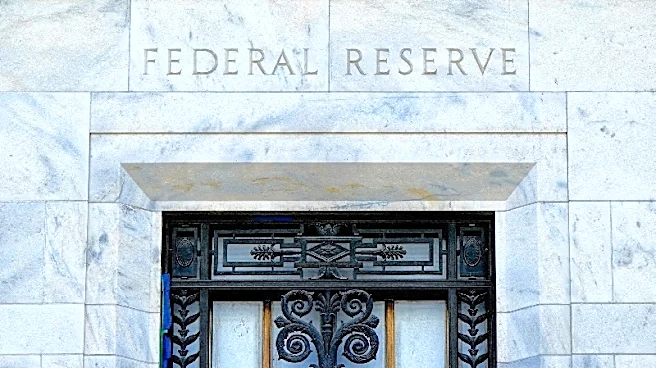
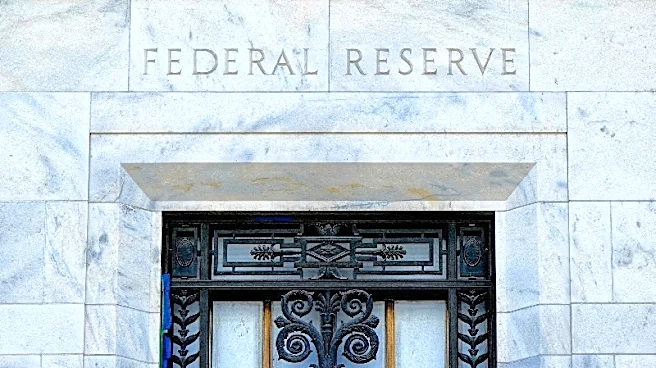
gasoline prices, but fell short of analysts' expectations of 3.1%. This has led to a reduction in market expectations for interest rate hikes by the Bank of Canada. The U.S. dollar gained strength as investors anticipated a potential hawkish shift by the Federal Reserve to address energy-driven inflation.
Why It's Important?
The Canadian dollar's decline highlights the impact of inflation data on currency markets and monetary policy expectations. A slower rise in inflation reduces the likelihood of aggressive rate hikes, which can affect the currency's value and investor sentiment. The situation also underscores the interconnectedness of global markets, as U.S. monetary policy and geopolitical events influence Canadian economic conditions. The performance of the Canadian dollar is crucial for trade and investment, affecting businesses and consumers alike.
What's Next?
Market participants will continue to monitor inflation trends and central bank communications for indications of future monetary policy actions. The Bank of Canada's response to inflation data will be pivotal in shaping economic forecasts and currency movements. Additionally, developments in global oil prices and geopolitical tensions will remain key factors influencing the Canadian dollar and broader economic conditions.