







What's Happening?
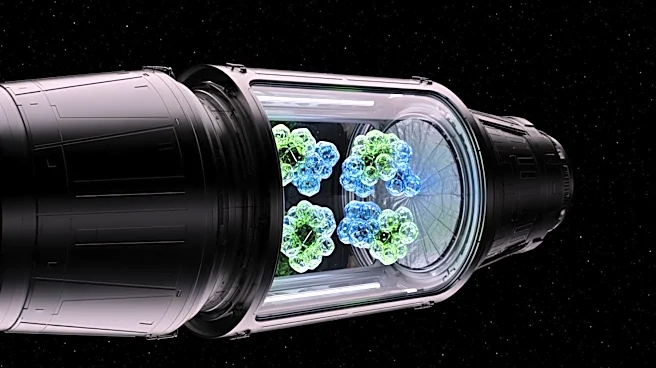
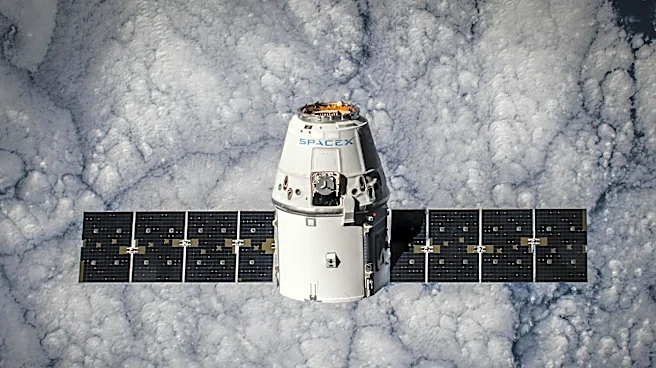
Aspera Biomedicines has successfully launched its second ADAR1p150 protein crystallization experiment to the International Space Station (ISS) aboard SpaceX CRS-34. This mission aims to advance the development of an oral formulation of Rebecsinib, a therapeutic
targeting cancer stem cells. The experiment utilizes microgravity to crystallize proteins, providing structural insights that are difficult to achieve on Earth. This is part of Aspera's efforts to develop treatments for over 20 types of cancer.
Why It's Important?
The successful launch of the ADAR1p150 experiment represents a significant step in Aspera's mission to develop innovative cancer therapies. By leveraging the unique environment of space, the company aims to gain detailed insights into the drug-target interaction, potentially leading to more effective treatments. This research could have a profound impact on cancer treatment, offering new hope for patients with various types of cancer. The mission also underscores the growing role of space-based research in advancing medical science.
What's Next?
Aspera plans to continue its research on the ISS, with the goal of developing an oral formulation of Rebecsinib for clinical trials. The company is also preparing to begin recruitment for a Phase 1 trial in patients with high-risk myelofibrosis and secondary acute myeloid leukemia. Aspera will likely seek additional funding to support its clinical development efforts and expand its research into other cancer types. The success of this mission could pave the way for further space-based experiments in drug development.