
What's Happening?
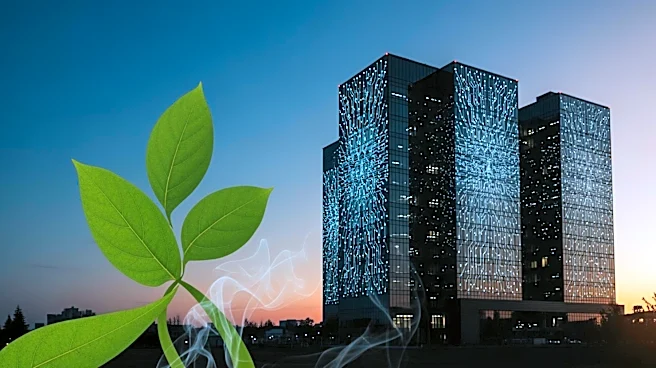
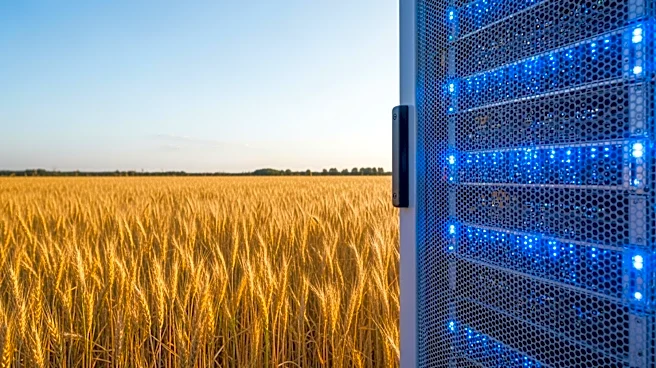
The expansion of data centers across the U.S. is creating both economic opportunities and resource pressures, particularly in rural areas. These facilities, essential for cloud computing and digital services,
require significant land, water, and energy resources. The construction of data centers represents multi-billion-dollar investments, bringing jobs and infrastructure improvements to rural communities. However, the conversion of farmland for data center use is often permanent, raising concerns about long-term agricultural viability.
Why It's Important?
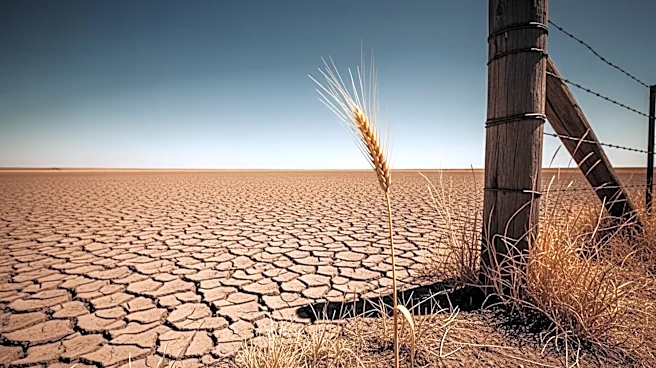
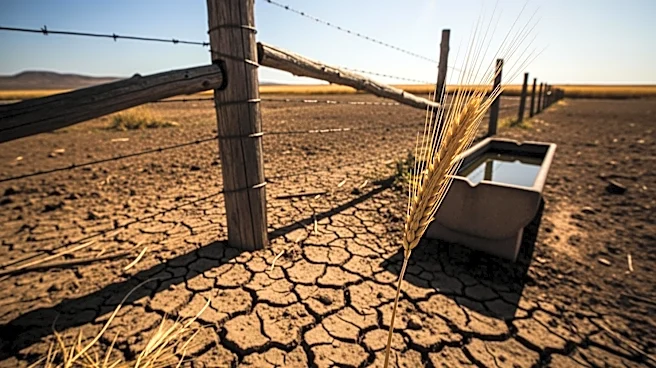
The growth of data centers is a double-edged sword for rural communities. While they offer economic benefits, they also pose risks to agricultural sustainability by consuming valuable land and resources. This development highlights the need for balanced policies that ensure rural areas can benefit from technological advancements without compromising agricultural productivity. The situation underscores the importance of strategic land-use planning and community engagement to address the competing demands of technology and agriculture.
What's Next?
As data center demand continues to rise, policymakers and community leaders will need to navigate the challenges of integrating these facilities into rural landscapes. Future strategies may involve developing guidelines for site selection and resource management to protect agricultural interests. The ongoing dialogue between stakeholders will be crucial in shaping policies that balance economic growth with environmental and agricultural sustainability.