






What's Happening?
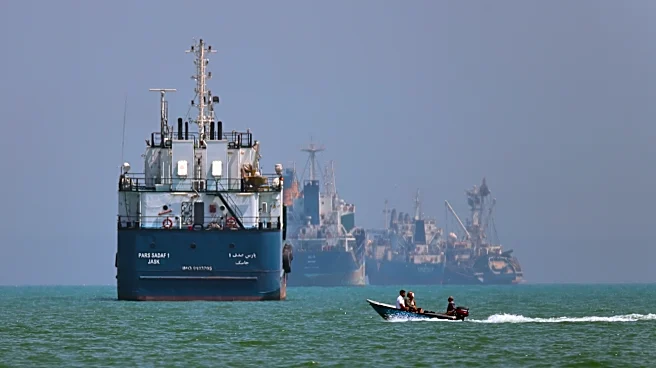
Luxury stocks experienced a significant increase after a proposed peace deal between the U.S. and Iran was announced, which includes reopening the Strait of Hormuz and lifting U.S. oil sanctions. According to Iran state media, shares of major luxury brands
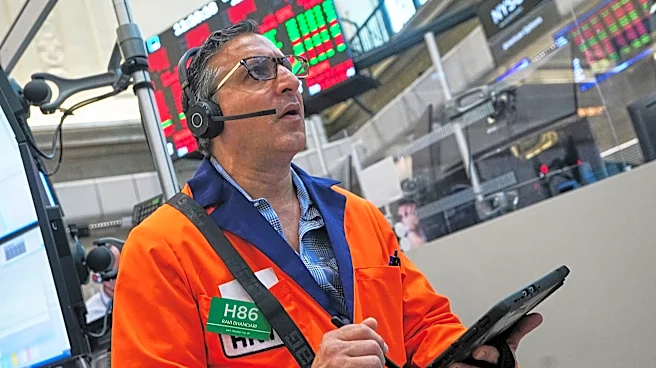
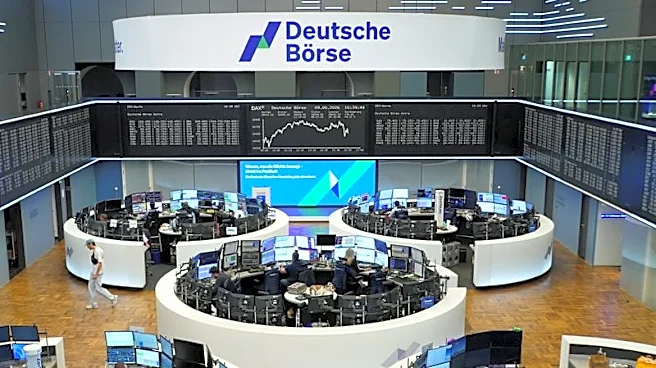
such as LVMH, Gucci-owner Kering, and Hermes rose by approximately 5%, while Swiss group Richemont saw a 3.4% increase. The pan-European Stoxx 600 index also rose by 1.8%. The luxury sector, which had been adversely affected by the ongoing conflict in Iran, saw this development as a potential turning point. The Middle East, previously a fast-growing market for luxury goods, had seen a decline due to the conflict, impacting sales and consumer confidence.
Why It's Important?
The proposed peace deal could have significant implications for the luxury goods market and the broader global economy. The Middle East is a crucial market for luxury brands, and the conflict had dampened sales and consumer sentiment. A resolution could restore consumer confidence and boost sales in the region. Additionally, the lifting of U.S. oil sanctions could stabilize oil prices, benefiting industries reliant on energy costs. The luxury sector, which had been struggling with reduced demand from key markets like China, could see a resurgence if the deal leads to increased economic stability and consumer spending.
What's Next?
If the peace deal progresses, luxury brands may see a recovery in sales and market confidence. Stakeholders in the luxury sector will likely monitor the situation closely, as the reopening of the Strait of Hormuz could lead to increased trade and tourism in the Middle East. Political leaders and businesses will need to navigate the geopolitical landscape carefully to ensure the deal's success and capitalize on the potential economic benefits. The global market will also watch for any further developments that could impact oil prices and economic stability.