
What's Happening?
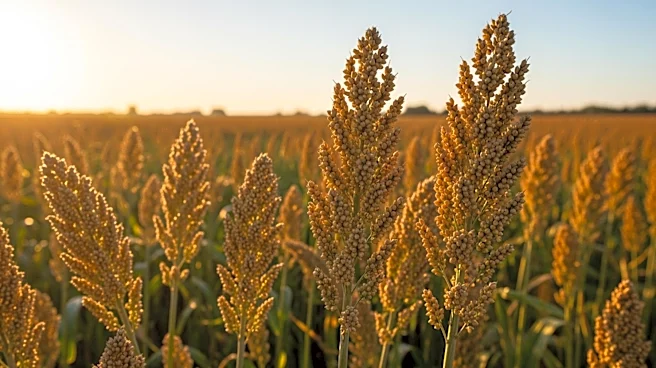
The National Sorghum Producers have expressed their approval of President Trump's tax relief measures for the agricultural sector, as outlined in the Working Families Tax Cut within the One Big Beautiful
Bill Act. This legislation, signed into law, includes several provisions aimed at supporting farmers facing economic challenges. Key elements of the tax relief include maintaining a 20 percent pass-through deduction, increasing the estate tax exemption to $15 million per individual, and restoring 100 percent bonus depreciation for farm equipment. These measures are designed to provide farmers with greater financial flexibility, allowing them to invest in their operations, manage costs, and plan for the future. The National Sorghum Producers, along with other agricultural groups, view these tax provisions as crucial for reinforcing the long-term viability of U.S. agriculture.
Why It's Important?
The tax relief measures introduced by President Trump are significant for the agricultural sector, which has been grappling with tight margins and rising input costs. By offering financial incentives and tax deductions, the legislation aims to alleviate some of the economic pressures faced by farmers. This support is particularly vital for family farms, which are often more vulnerable to economic fluctuations. The increased estate tax exemption and bonus depreciation for farm equipment provide farmers with the opportunity to reinvest in their operations and ensure the sustainability of their farms for future generations. Additionally, these measures could help stabilize the agricultural economy, potentially leading to increased production and competitiveness in the global market.
What's Next?
Moving forward, the National Sorghum Producers and other agricultural organizations are likely to continue advocating for policies that support the agricultural sector. With the foundation of stable federal tax policy, these groups may focus on promoting initiatives that drive demand growth for agricultural products, such as corn and ethanol. This could involve working with Congress to implement tax incentives for biobased materials and expanding the use of biofuels. The ongoing collaboration between agricultural leaders and policymakers will be crucial in ensuring that the sector remains resilient and capable of meeting both domestic and international demands.