






What's Happening?
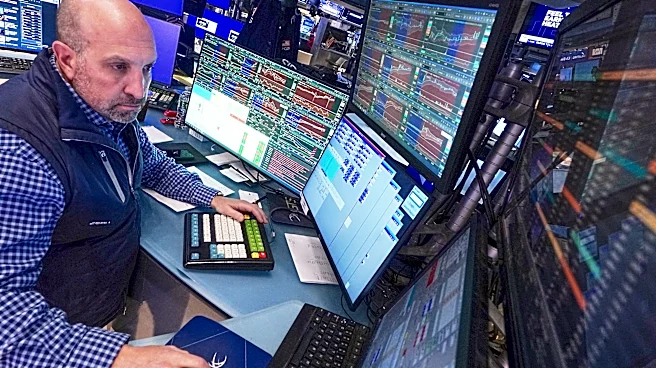
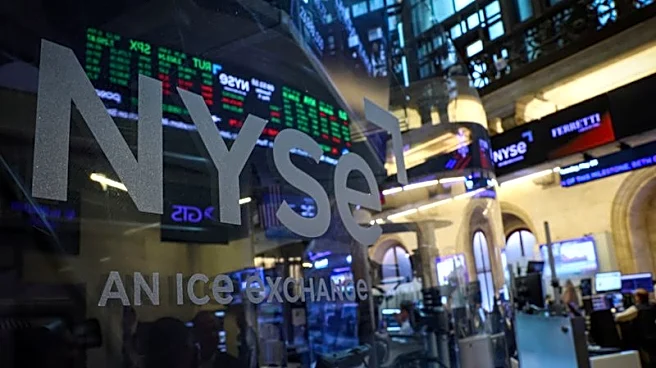
Global stock markets experienced an uptick as investors reacted positively to strong corporate earnings and a slight decrease in oil prices. The rise in stocks was supported by robust earnings reports from major companies, including Anheuser-Busch and Unicredit,
which exceeded market expectations. Despite ongoing tensions between the U.S. and Iran over the Strait of Hormuz, which have kept oil prices elevated, the market found some relief as oil prices edged down from recent highs. The S&P 500 and Nasdaq futures also indicated a positive opening, buoyed by the strong earnings performance of S&P 500 companies, with a significant number surpassing earnings and revenue estimates. Additionally, the Japanese yen's recent volatility has prompted speculation about potential intervention by Japanese authorities to stabilize the currency.
Why It's Important?
The rise in global stock markets is significant as it reflects investor confidence in the resilience of major economies despite geopolitical tensions and fluctuating oil prices. The strong earnings reports suggest that many companies are performing well, which could bolster economic growth and investor sentiment. The situation in the Strait of Hormuz remains a critical factor, as it is a vital chokepoint for global oil supply, and any disruption could have far-reaching implications for energy markets and global trade. The potential intervention by Japanese authorities to stabilize the yen also highlights the ongoing challenges in currency markets, which can impact international trade and investment flows.
What's Next?
Investors will likely continue to monitor the geopolitical situation in the Middle East, particularly the developments in the Strait of Hormuz, as any escalation could impact oil prices and market stability. Additionally, the performance of the U.S. stock market will be closely watched, especially as more companies report their earnings. The potential for further intervention by Japanese authorities in the currency market could also influence global financial markets. Market participants will be looking for signals from central banks regarding interest rate policies, which could affect investment strategies and economic forecasts.