




What's Happening?
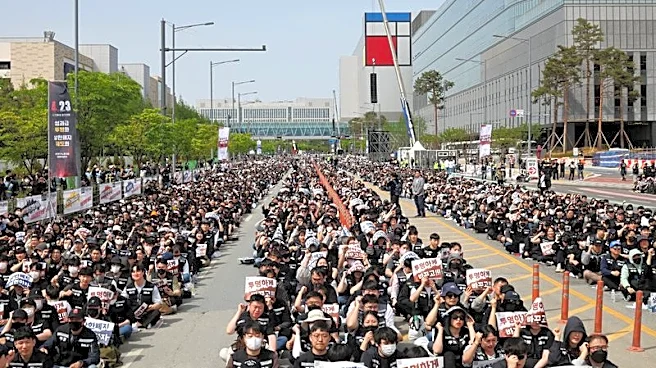
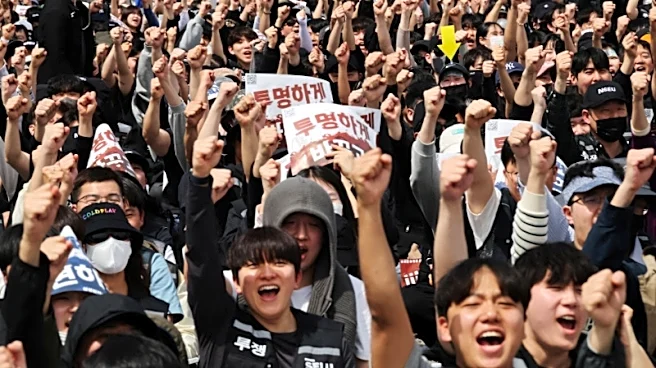
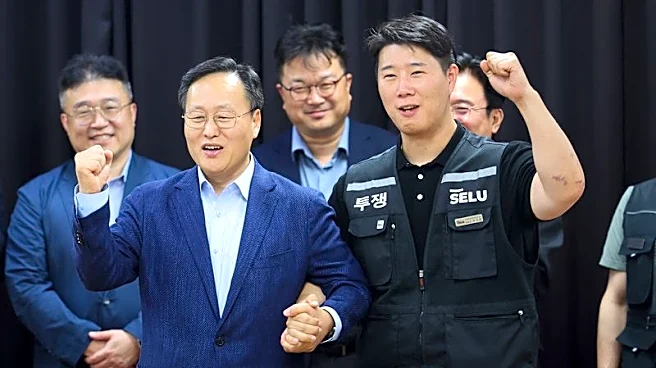
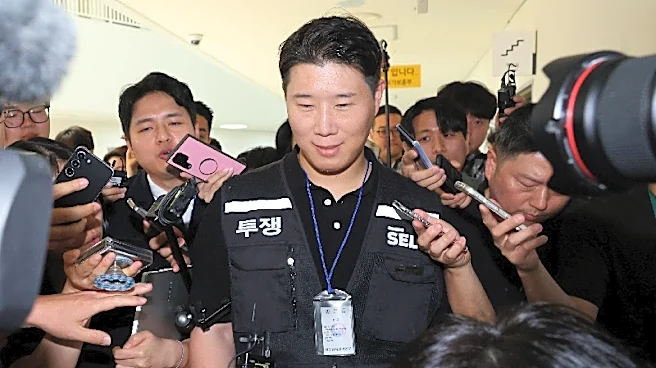
Samsung Electronics and its workers' union have reached a tentative agreement to avoid an 18-day strike that was set to begin at the company's domestic chipmaking plants. The strike was initially planned due to a collapse in bonus payment negotiations.
The union had sought performance bonuses equivalent to 15 percent of the company's operating profit and the removal of a cap on bonuses of 50 percent of annual wages. The tentative agreement has led to the suspension of strike plans pending a vote on the deal. This development comes amid a global shortage of memory chips, with Samsung being the world's largest producer.
Why It's Important?
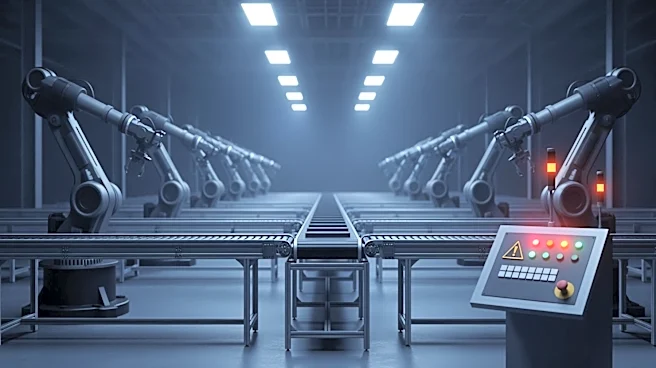
The potential strike at Samsung's chipmaking plants could have exacerbated the ongoing global memory chip shortage, affecting industries reliant on these components, such as consumer electronics and automotive sectors. Samsung's role as a major player in the memory chip market means that any disruption in its production could lead to increased prices and supply chain challenges. The resolution of this labor dispute is crucial for maintaining stability in the tech industry, which is already facing pressures from supply chain constraints and increased demand for electronic devices.
What's Next?
The tentative agreement between Samsung and its workers' union will be put to a vote, determining whether the strike will be permanently avoided. If the agreement is ratified, it could set a precedent for future negotiations between Samsung and its employees, potentially influencing labor relations in South Korea's tech industry. Stakeholders, including government officials and industry leaders, will be closely monitoring the situation to ensure that production continues without further disruptions.