








What's Happening?
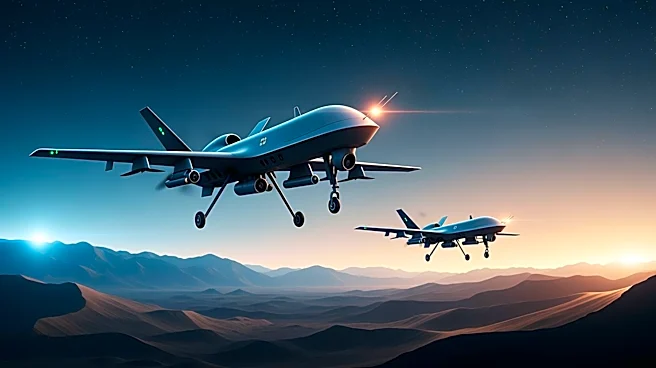
Despite global criticism of its wartime conduct, Israel's defense industry is experiencing a surge in demand for its weapons technology. Companies like Massivit have pivoted from entertainment to defense, producing military drone parts using advanced
3D printing technology. Israeli arms sales have more than doubled over the past five years, with significant growth in missiles, rockets, and air-defense systems. The Defense Tech Expo in Tel Aviv showcased these technologies, attracting international interest despite protests against their use in conflicts.
Why It's Important?
Israel's defense industry plays a crucial role in global arms markets, now ranking as the seventh-largest supplier worldwide. The demand for battle-tested technology reflects the need for effective defense systems amid increasing global conflicts. Countries are prioritizing proven technologies, even as they publicly criticize Israel's military actions. This trend underscores the complex relationship between geopolitical interests and ethical considerations in arms trade.
What's Next?
Israel's Defense Ministry plans to focus on innovations for countering drones, a challenge highlighted by recent conflicts. The continued growth of the defense sector may lead to further international partnerships and sales, despite political tensions. Countries that have publicly criticized Israel may continue to engage in covert transactions to acquire advanced military technology. The evolving landscape of global defense needs will likely drive further technological advancements and strategic alliances.
Beyond the Headlines
The ethical implications of profiting from wartime technologies are significant, raising questions about the morality of arms sales. The use of conflict zones as testing grounds for new technologies highlights the intersection of military strategy and commercial interests. The situation also reflects broader trends in global defense spending and the prioritization of security over diplomatic relations. Long-term shifts may include increased scrutiny of arms deals and efforts to balance technological advancement with humanitarian concerns.