
What's Happening?
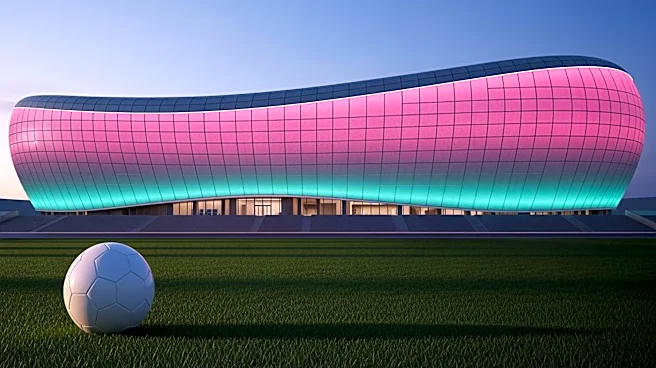
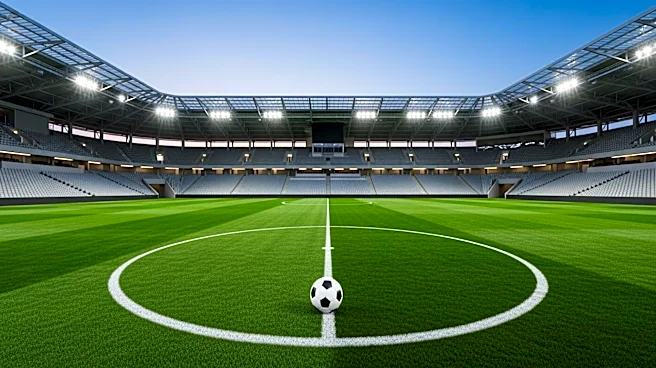
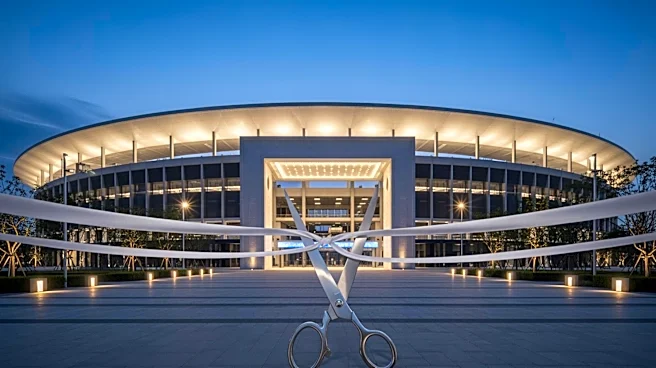
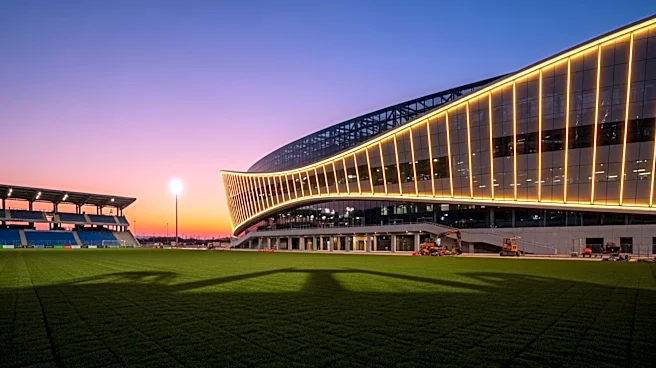
Inter Miami co-owner David Beckham expressed his excitement as the team played its inaugural match at the newly constructed Nu Stadium, resulting in a 2-2 draw with Austin FC. Beckham, who has been instrumental
in the club's development since its inception in 2018, highlighted the achievement as a realization of his long-held dream to elevate soccer in the United States. The club, which debuted in Major League Soccer (MLS) in 2020, has rapidly ascended to prominence, winning the MLS championship and attracting high-profile players like Lionel Messi. The new stadium marks a significant milestone for Inter Miami, which previously played home games in Fort Lauderdale.
Why It's Important?
The opening of Nu Stadium is a pivotal moment for Inter Miami and MLS, symbolizing the league's growth and increasing appeal. Beckham's vision of transforming soccer in the U.S. has been bolstered by the presence of international stars, enhancing the league's reputation and drawing global attention. The stadium not only provides a dedicated home for the team but also signifies the potential for further expansion and investment in American soccer. This development could lead to increased fan engagement, higher attendance, and greater commercial opportunities, benefiting the league and its stakeholders.
What's Next?
With the new stadium now operational, Inter Miami is poised to capitalize on its enhanced facilities to attract more fans and host significant events. The club's success could inspire other MLS teams to invest in infrastructure and player acquisitions, further elevating the league's status. Additionally, the presence of players like Messi may encourage more international talent to consider MLS as a viable career option, potentially reshaping the competitive landscape of soccer in the U.S.
Beyond the Headlines
The establishment of Nu Stadium also reflects broader cultural shifts, as soccer continues to gain popularity in a country traditionally dominated by other sports. This trend may influence youth participation rates and the development of homegrown talent, contributing to the long-term growth of the sport. Furthermore, the stadium's opening could have economic implications for the Miami area, boosting local businesses and tourism through increased game-day activities and events.