







What's Happening?
A HuffPost article emphasizes the importance of having slightly uncomfortable conversations with children to help them develop essential social skills. Experts like Kelly Gonderman, a clinical psychologist, suggest that these discussions can teach children how
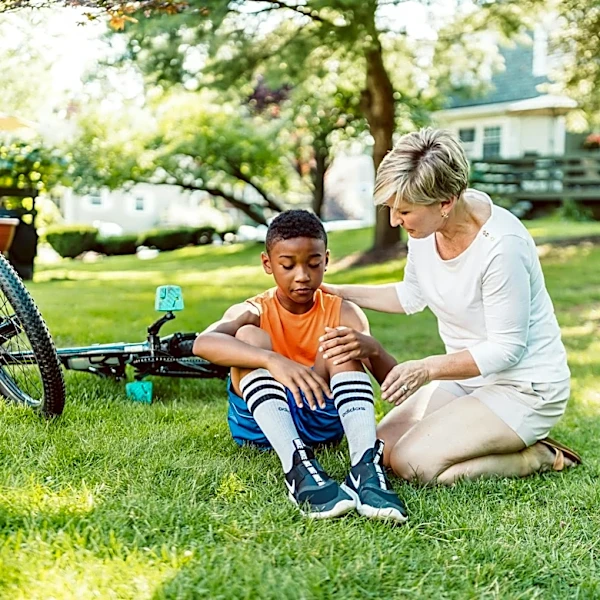
to navigate social interactions, resolve conflicts, and build empathy. The digital age has impacted children's ability to develop these skills naturally, as technology often acts as a barrier to face-to-face communication. The article outlines several key conversations parents should have with their children, including how to end a conversation, disagree without an audience, and be present with someone who is upset.
Why It's Important?
In an era where digital communication often replaces in-person interactions, children are missing out on opportunities to practice essential social skills. This lack of practice can lead to difficulties in forming healthy relationships and navigating social situations. By engaging in these conversations, parents can help their children build confidence and resilience, preparing them for real-world interactions. The article highlights the role of parents in guiding their children through these learning experiences, emphasizing the long-term benefits of developing strong social skills.
What's Next?
Parents are encouraged to reassess the role of technology in their children's lives and establish boundaries to promote more face-to-face interactions. By modeling healthy communication and conflict resolution, parents can provide a safe space for their children to practice these skills. As awareness of the issue grows, schools and community organizations may also play a role in supporting social skill development through programs and workshops. The focus on these conversations could lead to a broader cultural shift towards valuing interpersonal skills in the digital age.
Beyond the Headlines
The emphasis on uncomfortable conversations highlights a cultural shift towards recognizing the importance of emotional intelligence and empathy in personal development. As society becomes more aware of the impact of technology on social skills, there may be increased efforts to integrate social-emotional learning into educational curricula. This shift could lead to a generation of individuals who are better equipped to handle interpersonal challenges and contribute positively to their communities.