


What's Happening?
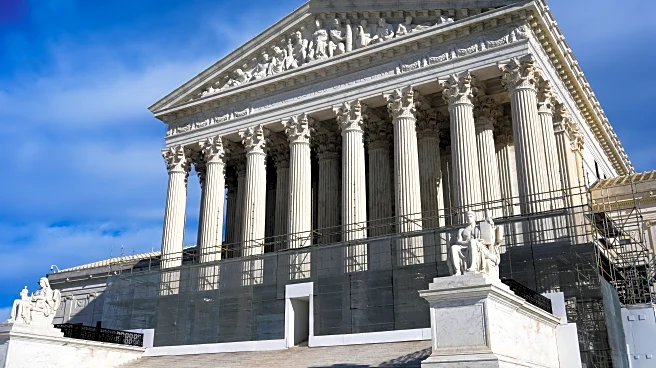
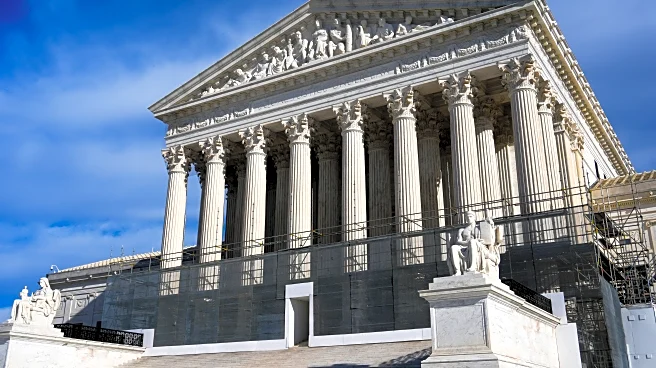
The Supreme Court has delivered a significant ruling against the Trump administration by overturning most of the tariffs imposed by President Trump. This decision marks a major setback for the administration's trade policy, which had implemented sweeping tariffs on various imports. The ruling has elicited reactions from business owners across the country, including those in Michigan, who have been directly affected by these tariffs. The tariffs were initially introduced as a measure to protect domestic industries and reduce trade deficits, but they have faced criticism for increasing costs for American businesses and consumers.
Why It's Important?
The Supreme Court's decision to strike down the majority of President Trump's tariffs is pivotal for U.S. businesses,
particularly those reliant on imported goods. Michigan business owners, among others, have expressed relief as the ruling is expected to lower operational costs and improve competitiveness. The tariffs had led to increased prices for raw materials and components, affecting profit margins and consumer prices. This ruling could lead to a more favorable business environment, potentially boosting economic activity and employment. However, it also raises questions about the future of U.S. trade policy and the balance between protecting domestic industries and fostering international trade.
What's Next?
Following the Supreme Court's decision, businesses are likely to reassess their supply chains and pricing strategies. The ruling may prompt the administration to explore alternative trade measures or negotiate new trade agreements. Stakeholders, including industry groups and trade associations, are expected to engage with policymakers to influence future trade policies. Additionally, there may be increased lobbying efforts to ensure that any new measures align with the interests of U.S. businesses and consumers.