





What's Happening?
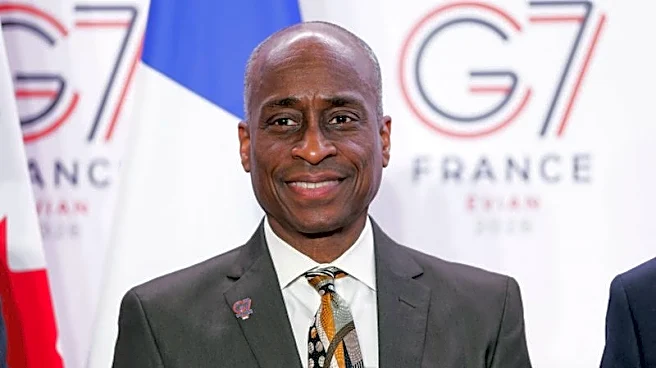
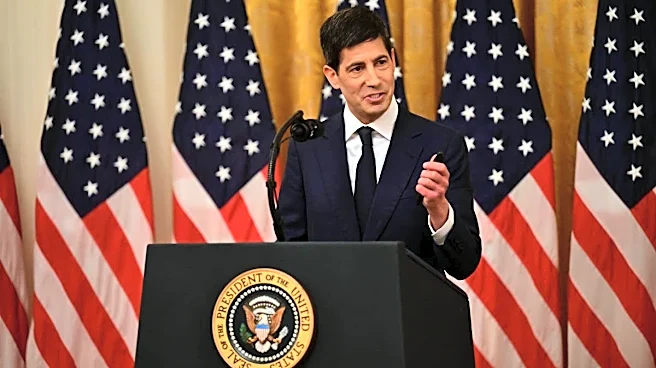
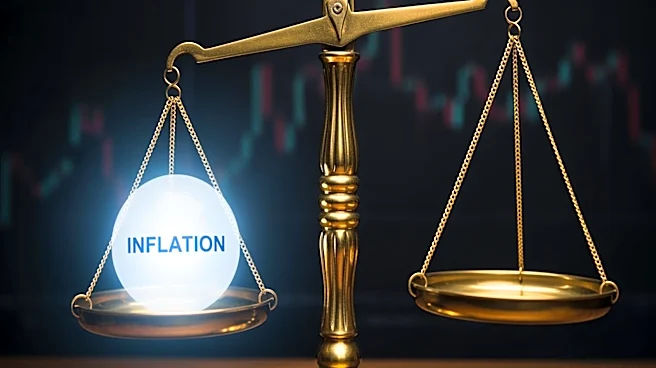
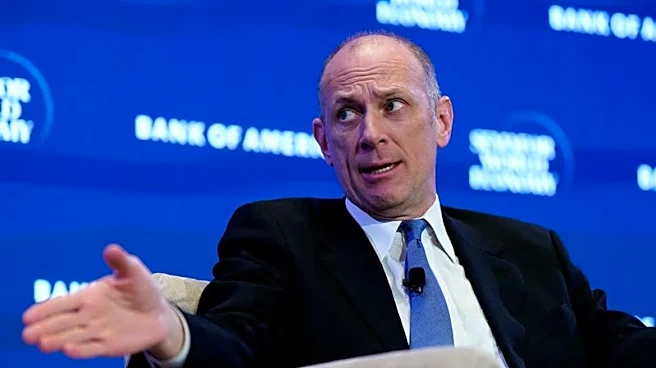
Neel Kashkari, President and CEO of the Federal Reserve Bank of Minneapolis, emphasized the importance of addressing inflation in the U.S. economy, stating that it remains his top priority. Speaking at the Bank of Japan-IMES Conference, Kashkari highlighted
that consumer prices are significantly above the Federal Reserve's target of 2%, a situation that has persisted for over five years. Despite acknowledging the current 'decent shape' of the labor market, he stressed the need for a balanced approach to the Federal Reserve's dual mandate of price stability and full employment. Kashkari warned that prolonged high inflation could lead to unanchored inflation expectations, necessitating more aggressive responses from the central bank.
Why It's Important?
The focus on inflation by the Federal Reserve, as articulated by Kashkari, underscores the ongoing challenges faced by the U.S. economy in maintaining price stability. High inflation can erode purchasing power and create uncertainty in financial markets, affecting both consumers and businesses. By prioritizing inflation control, the Federal Reserve aims to prevent inflation expectations from becoming unanchored, which could lead to more severe economic consequences. This approach reflects the central bank's commitment to ensuring long-term economic stability, even as it balances the need to support employment. The outcome of these efforts will have significant implications for monetary policy, interest rates, and overall economic growth in the U.S.
What's Next?
The Federal Reserve is likely to continue its current monetary policy stance, focusing on measures to control inflation while monitoring the labor market. Future decisions may involve adjusting interest rates or implementing other monetary tools to achieve the desired inflation target. Stakeholders, including businesses and policymakers, will be closely watching the Federal Reserve's actions and communications for indications of any shifts in policy. The central bank's ability to manage inflation effectively will be crucial in maintaining economic confidence and stability.