




What's Happening?
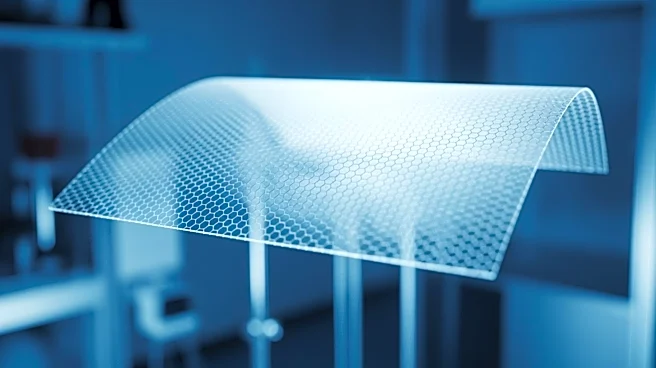
A team of scientists from ICMM-CSIC in Spain has developed a new membrane that significantly accelerates hydrogen purification, reducing processing time from three days to just three hours. This breakthrough membrane increases permeability by 800% and
improves selectivity by 30%, addressing a major challenge in hydrogen usage at scale. The membrane is made from polysulfone, enhanced with a porous component that allows hydrogen molecules to pass through while blocking larger molecules like methane and carbon dioxide. This innovation could transform hydrogen refining processes, making them faster and more efficient.
Why It's Important?
The development of this advanced membrane is a significant step forward in the hydrogen industry, which is crucial for energy storage and various industrial applications. By drastically reducing processing time and improving efficiency, this technology could lower costs and increase the feasibility of hydrogen as a clean energy source. The ability to purify hydrogen more effectively supports broader efforts to transition to sustainable energy systems, particularly in Europe, where green hydrogen is a key focus. This advancement may also stimulate further research and development in membrane technology and hydrogen applications.
What's Next?
With the new membrane technology, industries that rely on hydrogen, such as petrochemicals, could see improved operational efficiency and reduced environmental impact. The ICMM-CSIC team may continue to refine the membrane's design and explore its applications in other sectors. As the demand for clean energy solutions grows, this innovation could play a pivotal role in the global shift towards sustainable energy. Policymakers and industry leaders may also consider integrating this technology into existing hydrogen infrastructure to enhance its adoption and effectiveness.