






What's Happening?
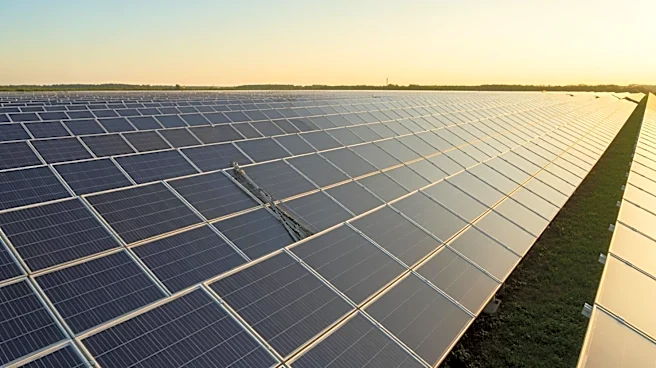
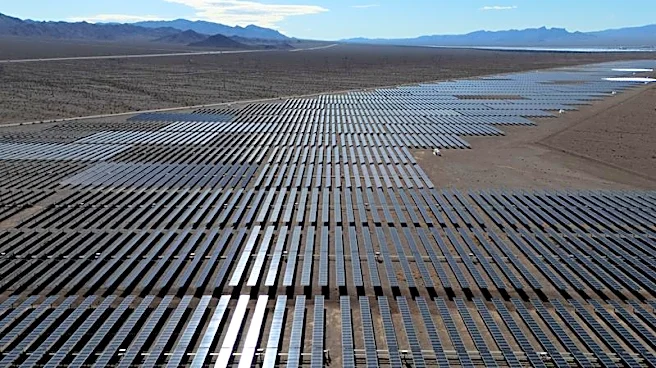
Despite policy rollbacks on clean energy incentives under President Trump, solar power continues to dominate new energy capacity additions in the United States. According to the Federal Energy Regulatory Commission (FERC), solar energy has been the largest
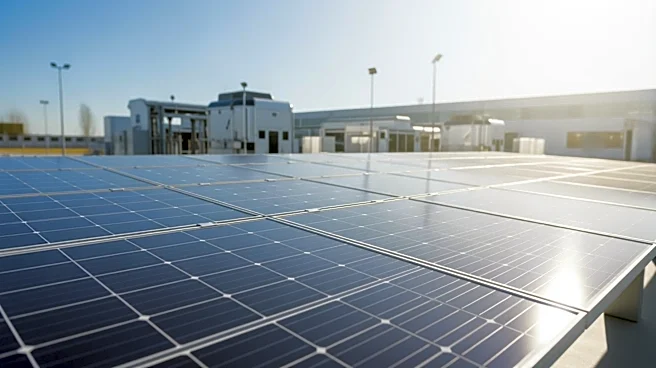
form of new energy installations for 28 consecutive months. In 2025, renewables accounted for 88% of energy additions, with utility-scale solar alone comprising 72.6% of U.S. electricity additions. This growth is attributed to economic factors and the increasing demand for clean energy from the tech sector, which is driving investment in renewables and next-generation technologies.
Why It's Important?
The continued expansion of solar power in the U.S. highlights the resilience of the renewable energy sector, even in the face of policy challenges. This trend underscores the economic viability of solar energy, driven by decreasing costs and increasing demand for sustainable energy solutions. The growth of solar power contributes to energy diversification and reduces dependence on fossil fuels, supporting environmental goals and enhancing energy security. The U.S. market's attractiveness for clean energy investment also positions it as a leader in the global energy transition.
What's Next?
FERC projections indicate that solar energy installations will continue to grow, potentially surpassing coal as a major energy source by 2029. This growth will likely be supported by ongoing investments in renewable energy infrastructure and technological advancements. Stakeholders, including policymakers and industry leaders, will need to navigate regulatory and market challenges to sustain this momentum. The future of the U.S. energy landscape will depend on balancing economic growth with environmental sustainability, as the country seeks to maintain its leadership in clean energy innovation.