



What's Happening?
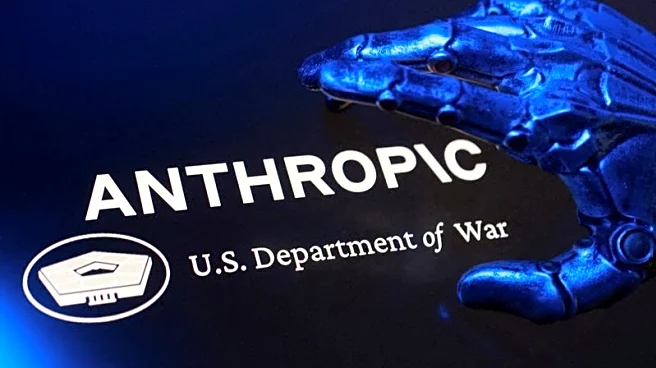
A federal judge in San Francisco criticized the Pentagon's decision to label AI company Anthropic as a 'supply chain risk,' suggesting it was an attempt to punish the company rather than protect national security. The designation restricts Anthropic's
contracts and technology use, following a dispute over the Pentagon's demand for access to its AI models. Anthropic's CEO, Dario Amodei, opposed the demand, citing concerns over potential misuse. The case has drawn attention from Silicon Valley, with companies like Microsoft supporting Anthropic, fearing broader implications for AI vendors.
Why It's Important?
The case highlights tensions between government oversight and the tech industry's autonomy, particularly concerning AI development and use. The Pentagon's actions could set a precedent for how the government interacts with AI companies, potentially affecting innovation and partnerships. The outcome may influence how tech companies negotiate government contracts and address national security concerns, impacting the broader tech ecosystem and its relationship with federal agencies.
What's Next?
The court's decision on whether to lift the Pentagon's ban on Anthropic will be closely watched. A ruling in favor of Anthropic could limit the government's ability to impose similar restrictions on other tech companies. The case may also prompt legislative or policy changes regarding government oversight of AI technologies, balancing national security with innovation and privacy concerns.
Beyond the Headlines
The dispute raises questions about the ethical use of AI and the role of government in regulating emerging technologies. It underscores the need for clear guidelines and transparency in government-tech industry interactions, ensuring that national security measures do not stifle innovation or infringe on civil liberties.