




What's Happening?
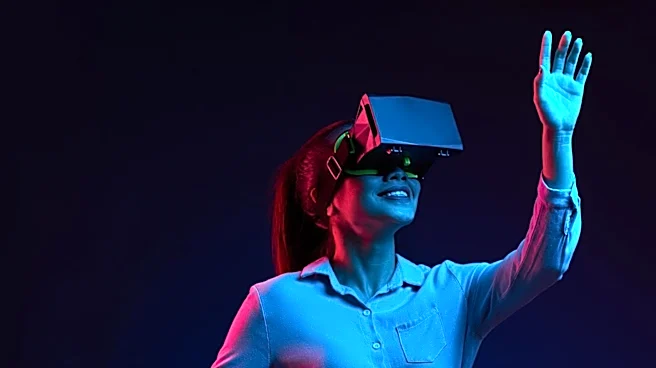
A new ultrasound technology is being developed to enhance virtual reality (VR) experiences by stimulating the scent-processing part of the brain, potentially allowing users to experience smells in VR environments. Researchers claim that this technology can
also serve as a method for inputting data directly into the brain. The technology works by using ultrasound to target the olfactory bulb, which is responsible for processing smells. This development has sparked both interest and skepticism, as it raises questions about the feasibility and desirability of incorporating realistic odors into VR experiences. The technology is still in its early stages, with researchers exploring its potential applications and limitations.
Why It's Important?
The development of ultrasound technology for VR has significant implications for the future of immersive experiences. By potentially adding a sense of smell to VR, this technology could revolutionize how users interact with virtual environments, making them more realistic and engaging. However, it also raises ethical and practical concerns about the impact of such sensory enhancements on users. The ability to input data directly into the brain could have far-reaching consequences for how information is processed and experienced, potentially transforming fields such as education, entertainment, and communication. As this technology evolves, it will be crucial to address the ethical considerations and ensure that it is used responsibly.
Beyond the Headlines
The introduction of smellovision and brain-data interfaces in VR could lead to new forms of synesthesia, where users experience cross-sensory perceptions. This development may also prompt discussions about the boundaries of human-computer interaction and the potential risks of altering sensory experiences. As VR technology becomes more sophisticated, it will be important to consider the long-term effects on users' mental and physical health, as well as the societal implications of such advancements. The integration of these technologies into everyday life could redefine how people perceive and interact with the world around them.