



What's Happening?
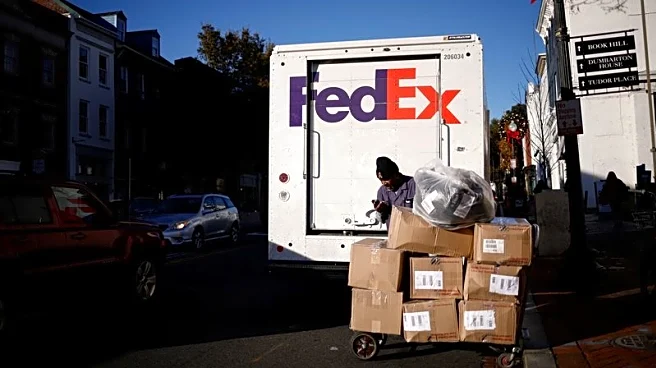
Following a Supreme Court decision striking down certain tariffs, over a thousand companies, including FedEx, have filed lawsuits seeking refunds. These tariffs, initially imposed under the International Emergency Economic Powers Act, were deemed unlawful.
The government is now faced with the challenge of potentially refunding an estimated $175 billion to affected businesses. The situation is complicated by the fact that many companies had already passed these costs onto consumers, while others absorbed the costs to remain competitive.
Why It's Important?
The Supreme Court's decision and the subsequent lawsuits highlight significant issues in U.S. trade policy and its impact on businesses. The ruling underscores the legal limits of executive power in imposing tariffs, a critical check on governmental authority. The potential refunds represent a substantial financial obligation for the government, affecting fiscal policy and potentially influencing future trade negotiations. Businesses stand to recover significant funds, which could impact their financial health and market strategies.
What's Next?
The government must decide whether to streamline the refund process or require each affected business to pursue individual lawsuits. This decision will have implications for legal costs and administrative efficiency. The outcome could set a precedent for how similar cases are handled in the future, influencing both domestic and international trade policies. Stakeholders, including businesses and legal experts, will be closely monitoring the government's response and any further legal developments.