
What's Happening?
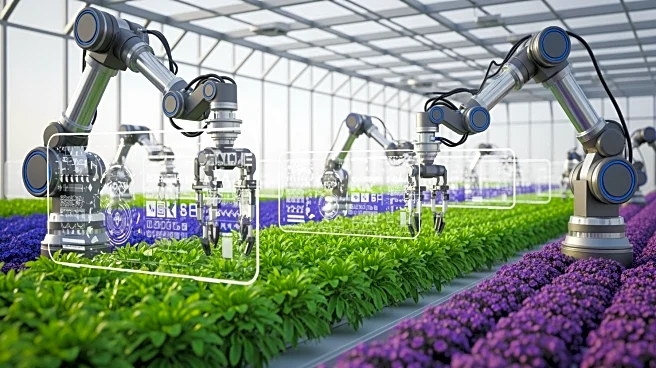
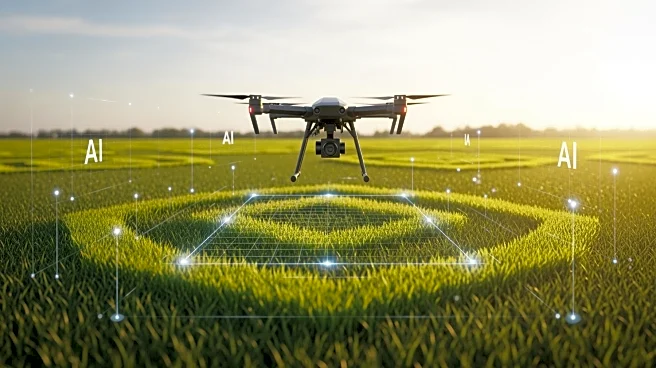
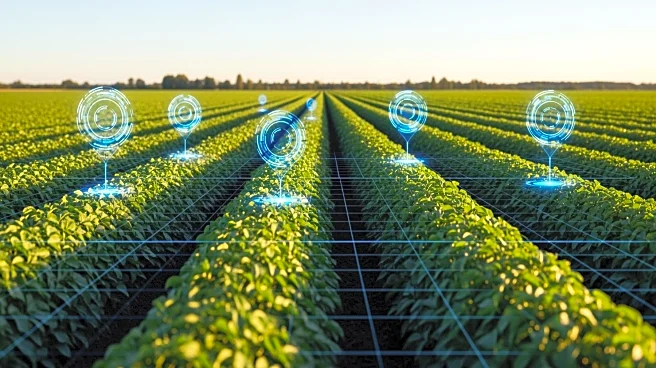
The global agriculture industry is undergoing a transformation with the adoption of Artificial Intelligence (AI) technologies. AI is being integrated into farming practices to enhance productivity and sustainability. Technologies such as machine learning,
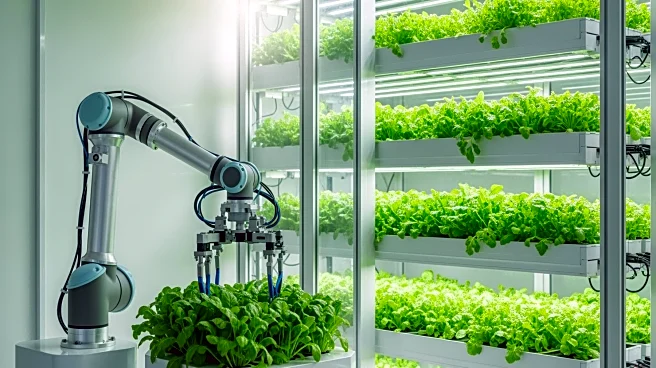
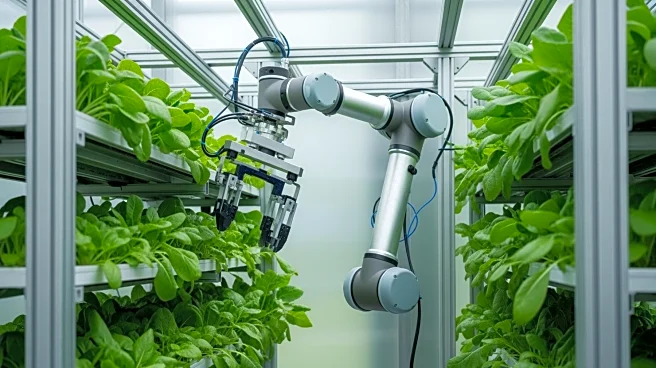
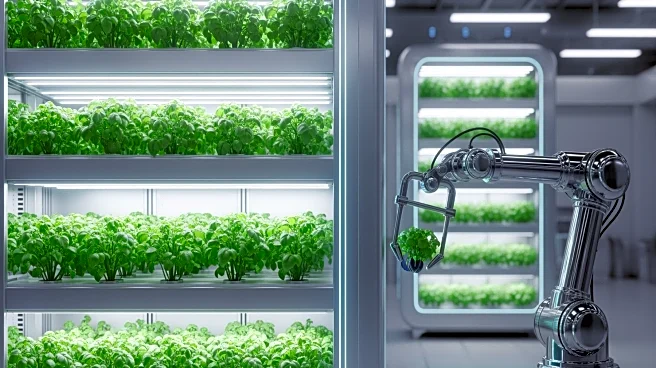
predictive analytics, and robotics are being used to monitor crop health, optimize irrigation, and automate farming operations. The AI in agriculture market is projected to grow significantly, from USD 1.7 billion in 2023 to USD 10.9 billion by 2032, driven by the need for higher crop yields and efficient resource management. Key players in the market include Ag Leader Technology, Deere & Company, and Bayer AG, among others.
Why It's Important?
The integration of AI in agriculture is crucial for addressing the challenges of feeding a growing global population while minimizing environmental impact. AI technologies enable precision farming, which allows for more efficient use of resources such as water and fertilizers, reducing waste and improving crop yields. This shift towards data-driven agriculture can lead to more sustainable farming practices, helping to ensure food security. The growth of AI in agriculture also presents opportunities for technological innovation and economic development within the sector.
What's Next?
As AI technologies continue to evolve, their adoption in agriculture is expected to increase. Future developments may include more advanced AI-powered robotics and predictive analytics, further enhancing farming efficiency and productivity. Governments and industry stakeholders are likely to invest in research and development to support the integration of AI in agriculture. Additionally, addressing challenges such as high implementation costs and technical knowledge gaps will be essential for widespread adoption.