
What's Happening?
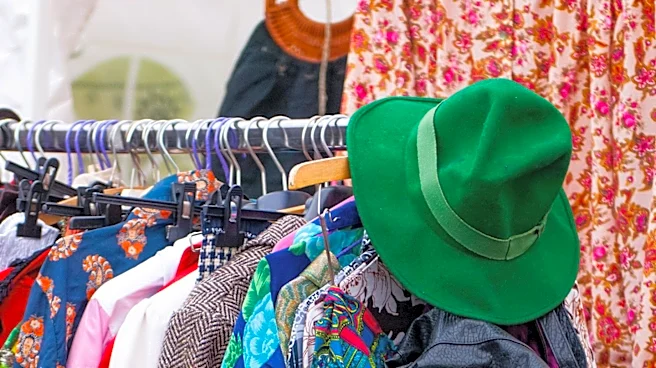
The Vogue Vintage Market, held on March 28, offered a unique shopping experience featuring vintage fashion pieces curated by eBay and Vogue. Hosted by Doja Cat, the event attracted fashion enthusiasts eager to explore three floors of vintage treasures.
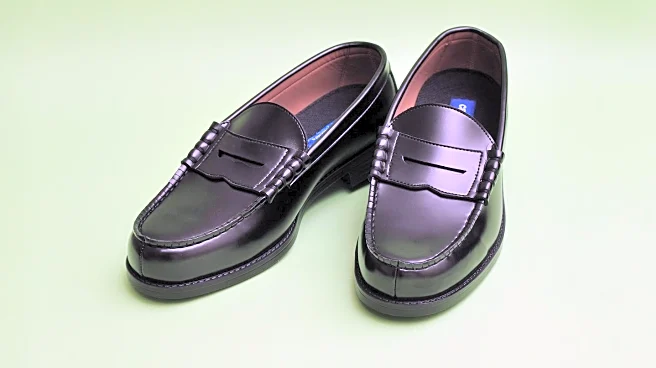
The market included iconic runway pieces, collectible shoes, and bags, providing a diverse selection for attendees. Vogue editors shared their personal finds, highlighting items such as a vintage Celine trench coat and Levi's jeans. The event emphasized the thrill of discovering timeless fashion pieces and the importance of sustainable fashion practices.
Why It's Important?
The Vogue Vintage Market underscores the growing trend of sustainable fashion and the appeal of vintage clothing. By promoting the reuse and resale of fashion items, the event aligns with broader environmental goals to reduce waste and encourage sustainable consumer habits. The collaboration with eBay highlights the potential for online platforms to facilitate the exchange of pre-owned fashion, offering consumers access to unique and high-quality items. This trend not only supports environmental sustainability but also caters to fashion enthusiasts seeking distinctive pieces that reflect personal style.
What's Next?
The success of the Vogue Vintage Market may inspire similar events, encouraging more collaborations between fashion brands and online marketplaces. As interest in sustainable fashion grows, consumers can expect increased availability of vintage and pre-owned items, both online and in physical markets. Fashion brands may also explore new ways to integrate sustainability into their business models, potentially leading to innovative practices in production and distribution. The event's emphasis on unique fashion finds could drive demand for personalized shopping experiences, influencing future market trends.
Beyond the Headlines
The Vogue Vintage Market highlights the cultural shift towards valuing fashion history and craftsmanship. Vintage pieces often carry stories and represent specific eras, offering consumers a connection to the past. This appreciation for fashion heritage can foster a deeper understanding of design evolution and influence contemporary fashion trends. Additionally, the event's focus on sustainable practices may encourage consumers to consider the environmental impact of their purchasing decisions, promoting a more conscious approach to fashion consumption.