


What's Happening?
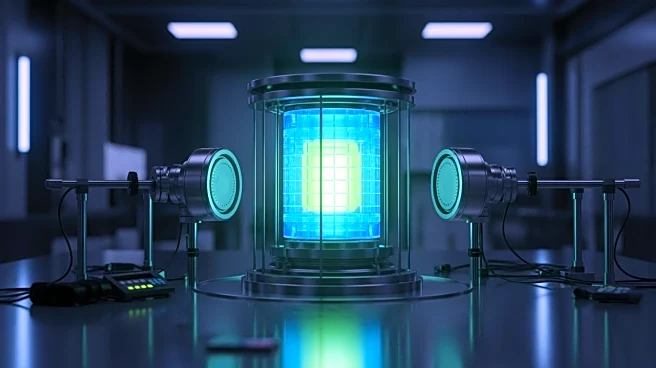
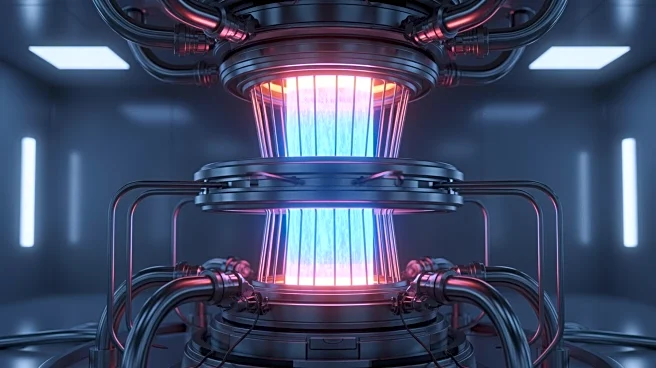
Thea Energy, a fusion startup, has introduced its Helios fusion power plant design, which is inspired by pixel technology. The company aims to revolutionize the energy market by offering a cost-effective alternative to traditional fusion power plants. The Helios design utilizes a unique approach with a combination of large and small magnets to create a 'virtual' stellarator, which is expected to be more efficient and less costly than existing models. Thea Energy's CEO, Brian Berzin, highlighted that their design allows for imperfections to be corrected through specialized control software, potentially giving them an edge over competitors. The company plans to build a prototype, Eos, to validate the science behind their concept, with a target
to operationalize it by 2030.
Why It's Important?
The introduction of Helios by Thea Energy could significantly impact the energy sector by providing a cleaner and more sustainable power source. Fusion power has long been considered a potential solution to the world's energy needs due to its ability to produce large amounts of energy without the harmful emissions associated with fossil fuels. If successful, Thea Energy's approach could lower the cost of fusion power, making it competitive with other renewable energy sources like solar and wind. This development could lead to a shift in energy policies and investments, as stakeholders look for reliable and cost-effective energy solutions. The potential for fusion power to provide a stable energy supply could also reduce dependency on non-renewable resources, contributing to global efforts to combat climate change.
What's Next?
Thea Energy plans to announce the site for its Eos prototype in 2026, with the goal of turning it on by 2030. As the company progresses, it will seek partnerships and collaborations to support the development and deployment of its technology. The fusion community and potential end-users will be closely monitoring Thea's advancements, as successful implementation could lead to widespread adoption of fusion power. The company also aims to refine its technology to further reduce costs, with the potential to achieve electricity costs as low as $60 per megawatt-hour after building multiple plants. The success of Helios could pave the way for future innovations in the fusion energy sector.
Beyond the Headlines
Thea Energy's approach to fusion power highlights the importance of innovation in overcoming the technical and financial challenges associated with fusion energy. By using a combination of hardware and software solutions, the company is addressing the limitations of traditional fusion designs. This strategy not only has the potential to make fusion power more accessible but also encourages other companies to explore similar innovative approaches. The success of Helios could lead to increased interest and investment in fusion technology, driving further advancements and potentially accelerating the transition to a more sustainable energy future.