
What's Happening?
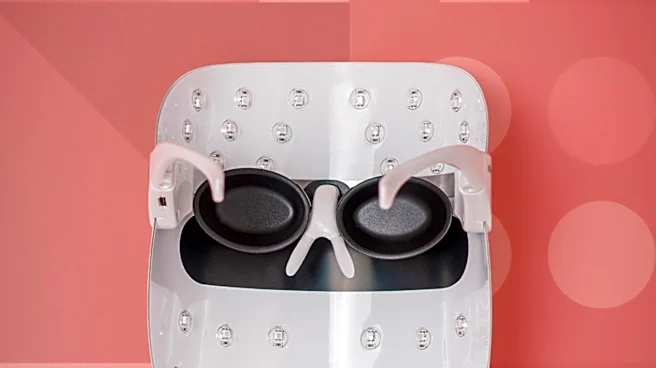
Red light therapy face masks, also known as LED masks, have gained popularity due to endorsements from beauty and wellness influencers on social media. These masks use red, near-infrared, or blue light at
different wavelengths, claiming to improve skin appearance, boost collagen production, and target acne. However, experts warn against daily use, as overuse can lead to skin damage. Dermatologist Dr. Eleonora Fedonenko advises starting LED mask treatments on a clean face to maximize effectiveness. She emphasizes the importance of using FDA-cleared masks and recommends using them three to five times a week for 10 to 20 minutes per session. Dr. Amy Bandy, a plastic surgeon, highlights the need for masks with appropriate irradiance levels to ensure safety and effectiveness. Both experts caution against combining LED mask use with harsh skincare products, as this can damage the skin barrier.
Why It's Important?
The growing trend of using LED masks at home reflects a broader shift towards DIY beauty treatments, driven by social media influence. While these masks offer a convenient alternative to professional treatments, improper use can lead to adverse effects such as skin irritation and damage. The emphasis on FDA clearance and appropriate usage highlights the need for consumer education in navigating beauty technology safely. This development underscores the importance of regulatory oversight in the beauty industry to protect consumers from potential harm. As more individuals seek at-home solutions, understanding the risks and benefits of such devices becomes crucial for maintaining skin health.
What's Next?
As the popularity of LED masks continues to rise, it is likely that more brands will enter the market, potentially leading to increased competition and innovation. Consumers may see a wider range of products with varying features and price points. Regulatory bodies may also increase scrutiny on these devices to ensure safety standards are met. Additionally, there may be a growing demand for educational resources to guide consumers in the safe and effective use of LED masks. Dermatologists and skincare professionals might play a more prominent role in advising patients on integrating these devices into their skincare routines.