
What's Happening?
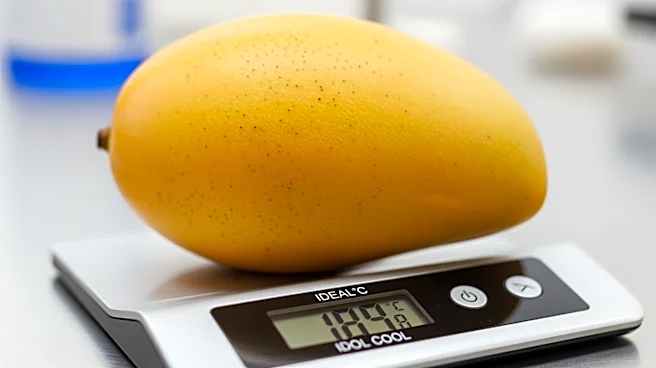
Scientists from Hainan University have discovered that storing mangoes at 12°C (54°F) significantly extends their freshness by slowing down the ripening process and preserving the fruit's structure. This
temperature helps activate the mango's natural antioxidant defenses, reducing spoilage and extending shelf life. The study, published in Tropical Plants, involved comparing mangoes stored at 12°C with those at 30°C over 24 days, revealing that cooler storage conditions maintained fruit quality and reduced weight loss.
Why It's Important?
This discovery has significant implications for the mango industry and cold-chain logistics, potentially reducing waste and improving the efficiency of mango transportation. By maintaining optimal storage temperatures, mangoes can be harvested earlier and transported over longer distances without compromising quality. This could lead to cost savings for producers and distributors, as well as increased availability of fresh mangoes for consumers. The research also highlights the importance of understanding the biological processes involved in fruit preservation.
What's Next?
The findings may prompt changes in storage and transportation practices within the mango industry, with a focus on maintaining the identified optimal temperature. Further research could explore the application of these findings to other tropical fruits, potentially leading to broader improvements in fruit preservation and distribution. Industry stakeholders may also consider investing in infrastructure to support these temperature-controlled environments.