





What's Happening?
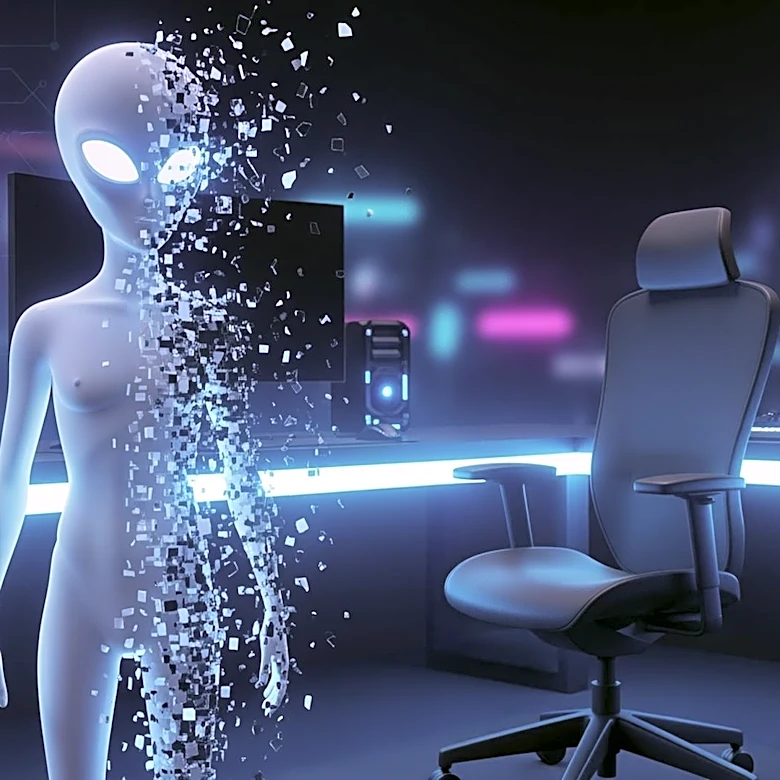
Randy Pitchford, CEO of Gearbox, recently faced criticism on social media after posting an AI-generated image that depicted an AI working at Gearbox. The image, shared on May 3, was intended to illustrate the absurdity of AI having an identity. However,
it sparked concerns among followers about the potential use of generative AI in Gearbox's game development, particularly in the Borderlands series. Pitchford responded by clarifying that Gearbox maintains a strict policy against using AI in any professional capacity visible to customers. He emphasized that the image was a personal experiment and not indicative of Gearbox's practices. Despite his explanations, the incident highlighted ongoing sensitivities around AI's role in the gaming industry.
Why It's Important?
The incident underscores the contentious nature of AI in creative industries, particularly gaming. As AI technology advances, its potential applications in game development raise ethical and practical concerns. Developers and players worry about AI's impact on creativity, job security, and the authenticity of gaming experiences. Gearbox's firm stance against AI reflects a broader industry debate on balancing innovation with traditional creative processes. The backlash also illustrates the heightened scrutiny faced by industry leaders when engaging with AI, as stakeholders demand transparency and ethical considerations in its use.
What's Next?
Following the backlash, Gearbox may need to further clarify its AI policies to reassure stakeholders. The company could engage in more transparent communication about its development processes to mitigate concerns. Additionally, the gaming industry as a whole may see increased discussions on AI ethics, potentially leading to industry-wide guidelines or standards. Stakeholders, including developers, players, and industry leaders, are likely to continue debating AI's role, influencing future technological and creative directions in gaming.
Beyond the Headlines
The controversy highlights a cultural shift in how technology is perceived in creative fields. As AI becomes more integrated into various industries, the balance between human creativity and technological assistance becomes a critical discussion point. This incident may prompt broader reflections on the value of human input in creative processes and the potential risks of over-reliance on AI. It also raises questions about the future of work in creative industries, as AI's capabilities continue to evolve.