







What's Happening?
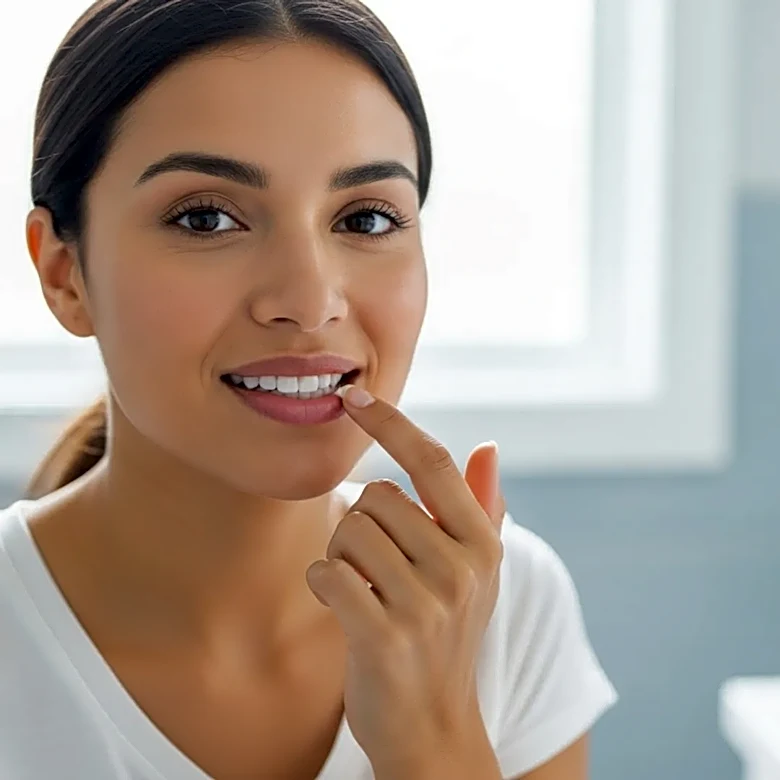
A new trend known as Contour Tanning, or Sunscreen Contouring, is gaining popularity among teenagers and young adults. This trend involves using sunscreen selectively on certain facial areas to create a tanned contour effect, leaving other areas exposed
to ultraviolet (UV) radiation. Dermatologists are raising concerns about this practice, as it encourages uneven and deliberate exposure to UV rays, which can lead to skin damage. The trend has emerged alongside the use of the UV Index by young people to time their tanning sessions, turning a safety measure into a tool for achieving a faster tan. Experts warn that the immediate cosmetic results of this trend mask the long-term damage caused by UV exposure, including skin aging and increased risk of skin cancer.
Why It's Important?
The Contour Tanning trend poses significant health risks by promoting unsafe sun exposure practices. Dermatologists emphasize that a tan is not a sign of healthy skin but rather an indication of damage. The trend's popularity among youth, who are often influenced by social media, could lead to a rise in skin-related health issues, including skin cancer and premature aging. The Centers for Disease Control and Prevention (CDC) highlights that most skin cancers are caused by excessive UV exposure. This trend could undermine public health efforts to educate about the dangers of UV radiation and the importance of sun protection.
What's Next?
Public health officials and dermatologists may increase efforts to educate the public, particularly young people, about the dangers of UV exposure and the importance of using sunscreen properly. Campaigns could focus on reversing the perception of tanning as a beauty standard and promoting healthier alternatives for achieving desired cosmetic effects. Additionally, there may be calls for social media platforms to regulate content that promotes unsafe health practices.
Beyond the Headlines
The trend reflects broader societal issues related to beauty standards and the influence of social media on health behaviors. It highlights the need for increased awareness and education about the long-term consequences of cosmetic trends that prioritize appearance over health. The normalization of sun exposure as a beauty tool could have lasting impacts on public health, necessitating a cultural shift towards valuing skin health.