






What's Happening?
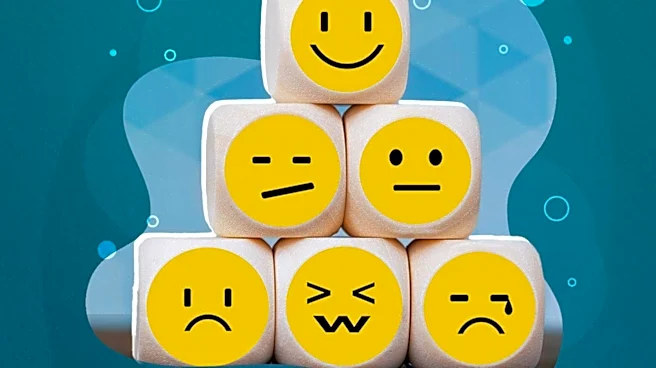
Recent discussions among educators and health professionals highlight the growing concern over children's stress levels and their ability to manage emotions. Prof. Ran Yanovich, from Seminar Hakibbutzim College, emphasizes the importance of integrating
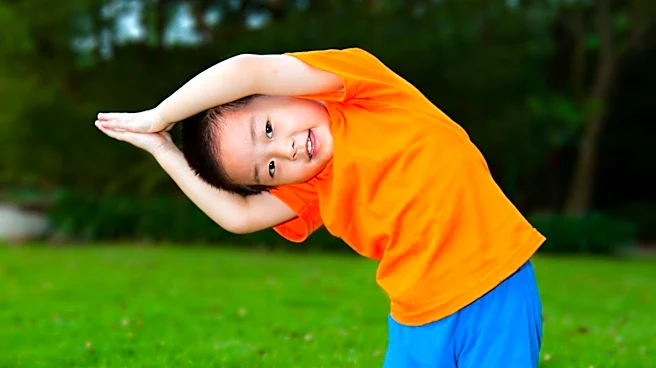
physical activity into children's routines as a means to improve emotional regulation. According to Yanovich, consistent movement helps children cope with stress and frustration, offering a non-competitive outlet for emotional release. The World Health Organization supports this view, noting that regular physical activity benefits both physical and mental health. Despite these benefits, many children do not engage in sufficient physical activity, often due to excessive screen time. Yanovich suggests that parents encourage enjoyable, non-competitive activities to help children manage stress and improve their overall well-being.
Why It's Important?
The emphasis on physical activity as a tool for emotional regulation is significant in addressing the mental health challenges faced by children today. With increasing screen time and digital engagement, children are experiencing heightened stress and emotional overload. By promoting regular physical activity, parents and educators can help mitigate these effects, potentially reducing the incidence of stress-related issues. This approach not only supports physical health but also enhances emotional resilience, offering children a balanced way to manage their emotions. The broader implication is a healthier, more emotionally stable generation, which could lead to reduced healthcare costs and improved societal well-being.
What's Next?
Moving forward, there is a need for increased awareness and education among parents and educators about the benefits of physical activity for emotional health. Schools and communities might consider implementing programs that integrate regular, enjoyable physical activities into daily routines. Additionally, policymakers could support initiatives that reduce screen time and promote active lifestyles among children. These efforts could foster environments where children can thrive both physically and emotionally, ultimately leading to a more balanced and healthy society.