







What's Happening?
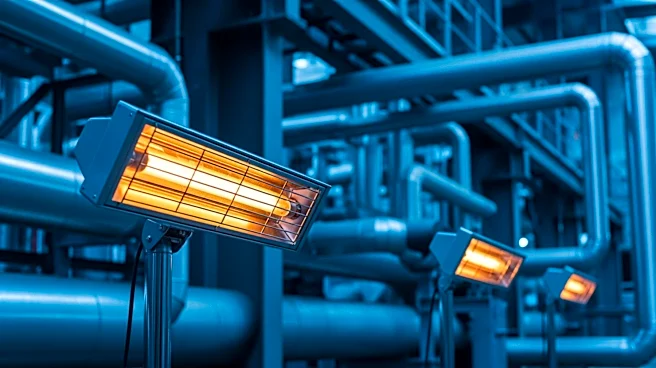
Hyundai Steel has announced plans to switch from gas-fired to electric heaters at its proposed steel plant in Donaldsonville, Louisiana. This change is part of a revised air permit application submitted by the company, which aims to significantly reduce
emissions. The shift to electric heaters is expected to cut the plant's greenhouse gas emissions by 22,397 tons annually, equivalent to the emissions from 5,000 gasoline-powered vehicles. Additionally, the company plans to install selective catalytic reduction devices to reduce nitrogen oxide emissions by 500 tons per year and cut particulate matter pollution by 240 tons annually. These changes come in response to pressure from environmental groups and community stakeholders concerned about pollution in the area known as Cancer Alley.
Why It's Important?
Hyundai Steel's decision to adopt electric heaters and additional pollution controls at its proposed plant is a critical step towards reducing industrial emissions in a region already burdened by pollution. This move aligns with broader environmental and public health goals, potentially setting a precedent for other industrial projects in the area. By addressing community and environmental group concerns, Hyundai Steel is taking a proactive approach to mitigate its environmental impact, which could enhance its corporate reputation and stakeholder relations. The reduction in emissions also contributes to global efforts to combat climate change and improve air quality, benefiting both local communities and the environment.
What's Next?
As Hyundai Steel progresses with its plans, the company will likely continue to engage with environmental groups and regulatory bodies to ensure compliance with environmental standards. The Louisiana Department of Environmental Quality (LDEQ) will play a crucial role in reviewing and approving the revised air permit application. Further community consultations and potential adjustments to the plant's design and operations may occur as stakeholders push for even more sustainable practices. The success of this project could influence future industrial developments in the region, encouraging the adoption of cleaner technologies and practices.