


What's Happening?
A coalition of 64 agricultural groups, including the National Corn Growers Association (NCGA), has called on two major U.S. fertilizer producers, Mosaic Company and J.R. Simplot, to support the removal of duties on imported phosphate products from Morocco.
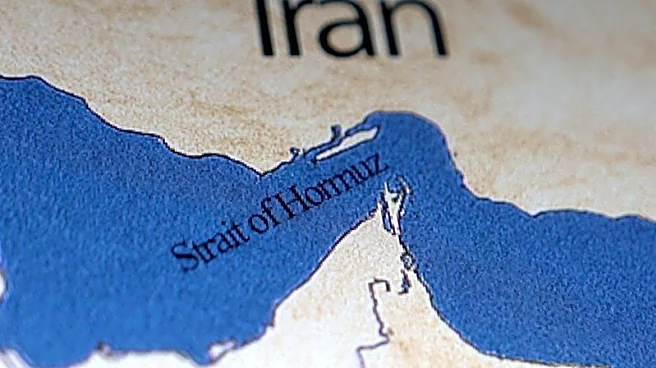
This appeal comes in response to rising fertilizer prices attributed to the ongoing Middle East conflict. The groups argue that these duties, initially imposed by the Commerce Department in 2020 following a petition by Mosaic, have led to increased costs and shortages for U.S. farmers. The duties were intended to counteract what was seen as unfairly subsidized foreign competition. However, the agricultural groups contend that the current geopolitical situation exacerbates the financial strain on farmers, who are already facing high input costs.
Why It's Important?
The removal of these duties could significantly impact the U.S. agricultural sector by potentially lowering fertilizer costs and alleviating supply shortages. This is crucial for farmers who rely on affordable and accessible fertilizers to maintain crop yields and profitability. The duties have been criticized for contributing to higher prices, which in turn affect food production costs and consumer prices. The agricultural groups' appeal highlights the broader implications for national agricultural security and economic stability, emphasizing the need for policy adjustments in light of global conflicts and market dynamics.
What's Next?
If Mosaic and J.R. Simplot agree to support the removal of these duties, it could lead to a reassessment by the Commerce Department and potentially a policy shift. This would require negotiations and possibly new investigations into the current market conditions and the impact of foreign subsidies. The decision could also prompt reactions from other stakeholders in the agricultural and trade sectors, influencing future trade policies and international relations.
Beyond the Headlines
The situation underscores the complex interplay between international trade policies and domestic economic conditions. It raises questions about the balance between protecting domestic industries and ensuring competitive market conditions. The ongoing Middle East conflict adds a layer of complexity, highlighting how geopolitical events can have far-reaching effects on domestic markets and policy decisions. This case may set a precedent for how similar trade disputes are handled in the future, particularly in sectors critical to national security and economic stability.