






What's Happening?
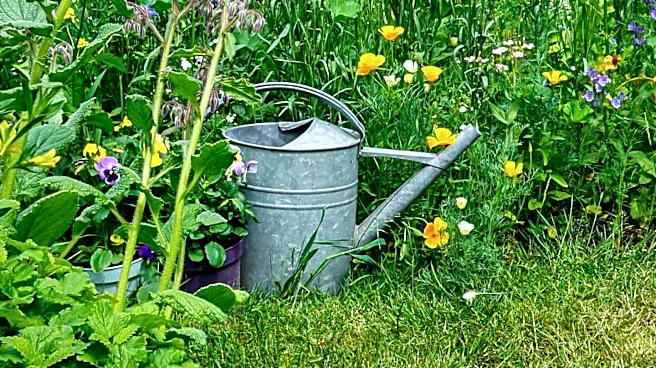
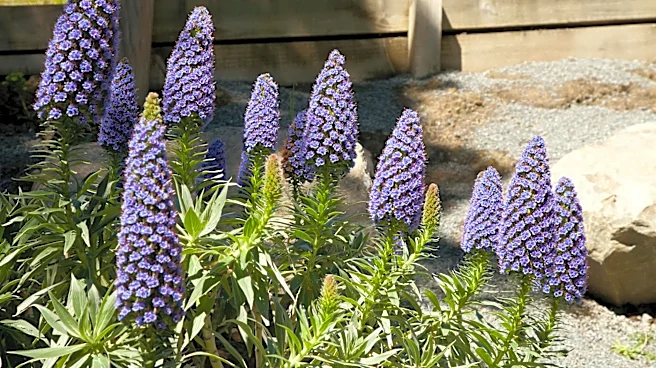
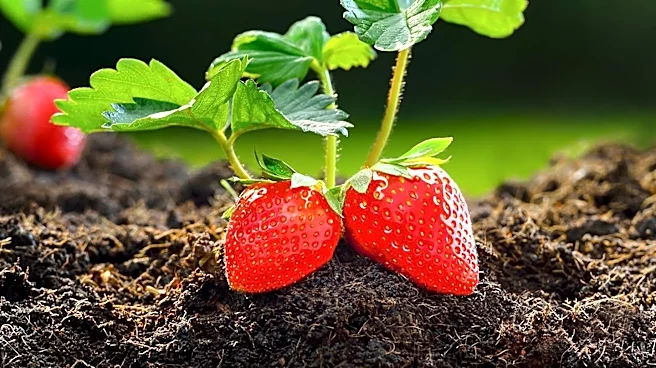
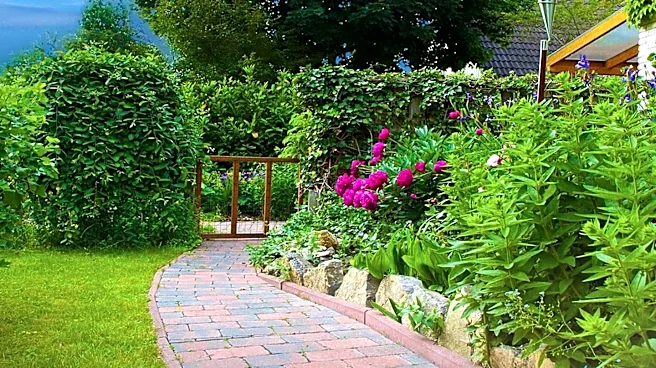
The chaos gardening trend is gaining popularity as a low-maintenance alternative to traditional manicured lawns. This approach involves scattering a mix of diverse seeds, including annuals, perennials, herbs, and vegetables, without rigid grouping. The result
is a natural, unpredictable, and 'wildflower' aesthetic that contrasts with the previously desired perfectly manicured lawns. This method significantly reduces gardening expenses, allowing homeowners to save thousands annually on professional landscaping services, initial planting costs, water usage, and mulch. The trend is also environmentally beneficial, particularly in terms of water conservation, as established chaos gardens require minimal supplemental watering compared to traditional lawns.
Why It's Important?
Chaos gardening presents a significant shift in landscaping practices, offering both economic and environmental benefits. Homeowners can achieve substantial cost savings by reducing the need for professional landscaping services and minimizing water usage. The approach also enhances curb appeal and market value, as the 'curated wildness' of chaos gardening can be a strong selling point for properties. Additionally, the method supports environmental sustainability by conserving water and creating functional ecosystems that require less maintenance. This trend reflects a growing movement towards more sustainable and cost-effective home improvement practices.
What's Next?
As chaos gardening continues to gain traction, it is likely to influence broader landscaping and gardening practices. Homeowners and landscapers may increasingly adopt this approach, leading to a shift in market demand for gardening products and services. The trend could also inspire further innovations in sustainable landscaping techniques, encouraging the development of new seed mixes and gardening tools tailored to this style. Additionally, as more people embrace chaos gardening, there may be increased interest in native plant species and biodiversity, further promoting environmental conservation efforts.