
What's Happening?
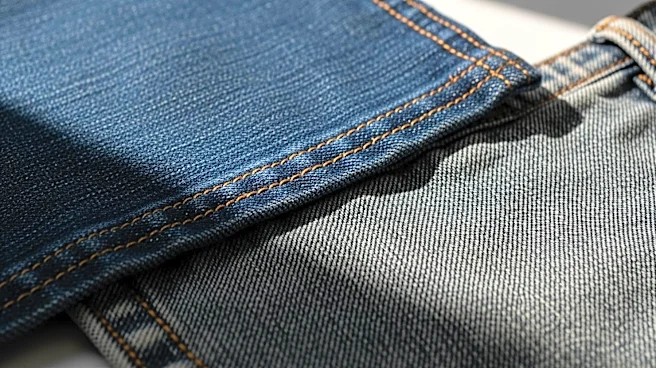
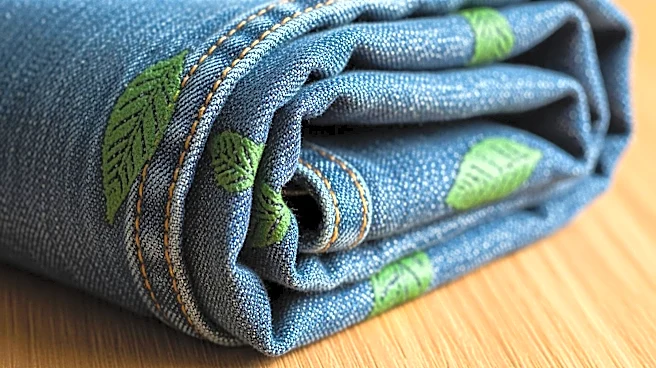
Madewell, a U.S. denim brand, has partnered with Re&Up Recycling Technologies and global fabric manufacturer Isko to launch a 'textile-to-textile' denim collection. This collaboration involves transforming
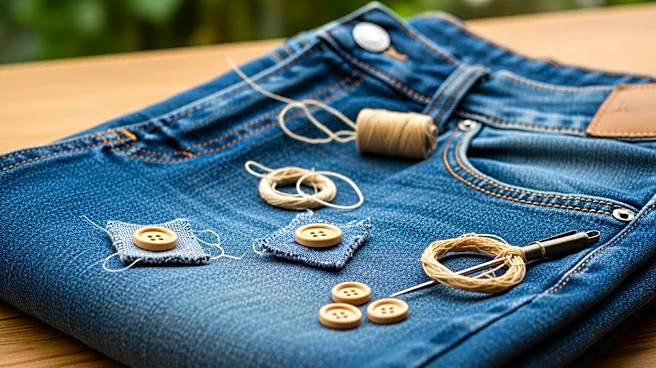
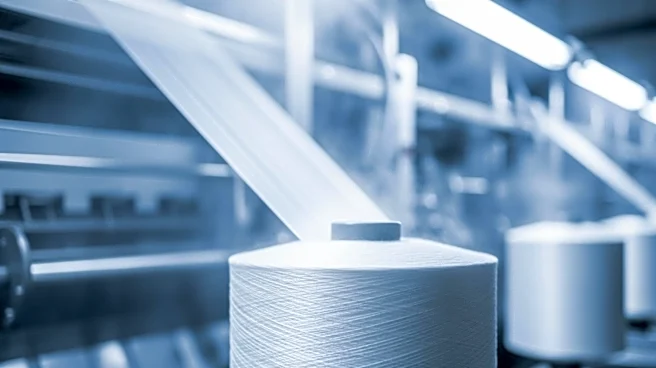
approximately 20,000 used jeans into high-quality recycled raw materials. The initiative demonstrates the market readiness for circular systems in the denim sector. Re&Up's advanced recycling technology processes mixed fabrics into next-gen cotton and polyester fibers, which are then turned into Global Recycled Standard (GRS) certified fabrics by Isko. Madewell has been running a denim take-back initiative for over a decade, collecting and recycling more than two million pairs of jeans. The collaboration aims to create a repeatable, closed-loop production cycle, reintegrating worn garments into the supply chain as high-quality materials.
Why It's Important?
This collaboration highlights the growing trend towards sustainability in the fashion industry, particularly in the denim sector. By utilizing advanced recycling technologies, the initiative addresses the challenge of material diversity and varying levels of wear in post-consumer jeans. The project not only reduces textile waste but also promotes the use of recycled materials, contributing to environmental conservation. Brands like Madewell are setting a precedent for others in the industry to adopt similar sustainable practices, potentially leading to a significant reduction in the environmental impact of fashion production. The success of this initiative could encourage more companies to invest in circular systems, fostering innovation and sustainability in the textile industry.
What's Next?
The collaboration between Madewell, Re&Up, and Isko may inspire other fashion brands to explore similar sustainable practices. As the market for recycled textiles grows, there could be increased investment in recycling technologies and infrastructure. This could lead to more widespread adoption of circular systems across the fashion industry, potentially influencing consumer behavior towards more sustainable purchasing decisions. Additionally, regulatory bodies might consider implementing policies that encourage or mandate sustainable practices in fashion production, further driving industry-wide change.
Beyond the Headlines
The initiative also raises important ethical considerations regarding the fashion industry's responsibility to address environmental issues. By promoting sustainable practices, brands can enhance their reputation and appeal to environmentally conscious consumers. This shift towards sustainability may also influence cultural perceptions of fashion, encouraging consumers to value quality and longevity over fast fashion. Furthermore, the collaboration underscores the potential for technological innovation to drive positive change in traditional industries, paving the way for a more sustainable future.