






What's Happening?
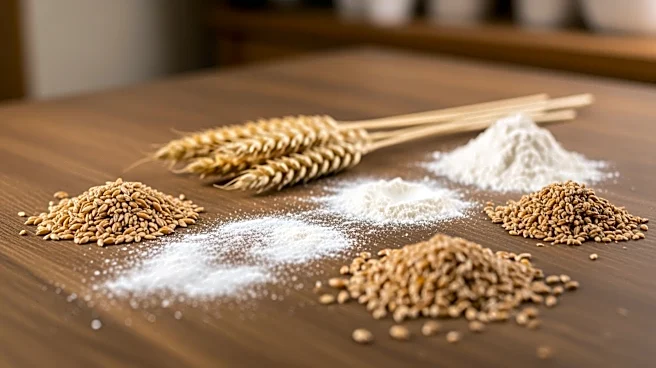
The baking industry is increasingly turning to upcycling by-products from cereal milling and food processing as functional ingredients. Materials such as bran, germ, and fiber-rich residues, traditionally considered waste, are now being utilized for their
nutritional and technological benefits. These by-products are rich in non-starch polysaccharides, proteins, and bioactive compounds, which can enhance dough rheology and product quality. The integration of these materials into bakery systems is part of a broader trend towards sustainability and resource efficiency in food production.
Why It's Important?
The shift towards upcycling by-products in the baking industry is significant for several reasons. It represents a move towards more sustainable food production practices, reducing waste and maximizing resource use. By utilizing these by-products, bakeries can improve the nutritional profile of their products, offering consumers healthier options. This trend also aligns with growing consumer demand for sustainable and environmentally friendly products. For the industry, it presents an opportunity to innovate and differentiate products in a competitive market.
What's Next?
As the industry continues to explore upcycling, further research and development are expected to optimize the use of by-products in baking. This may involve refining processing techniques to enhance the functionality of these materials. Collaboration between producers, scientists, and food processors will be crucial in advancing these efforts. The success of upcycling initiatives could lead to broader adoption across the food industry, influencing production practices and consumer choices.