
What's Happening?
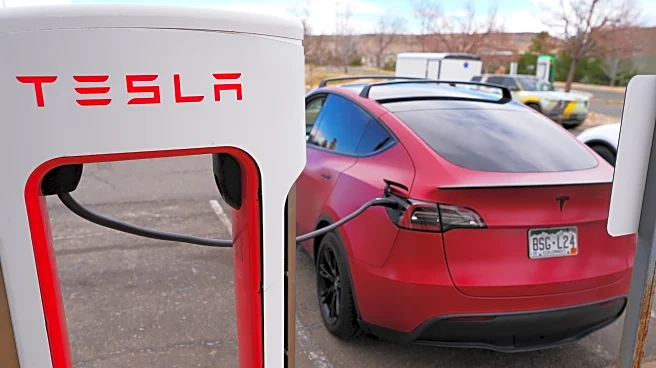
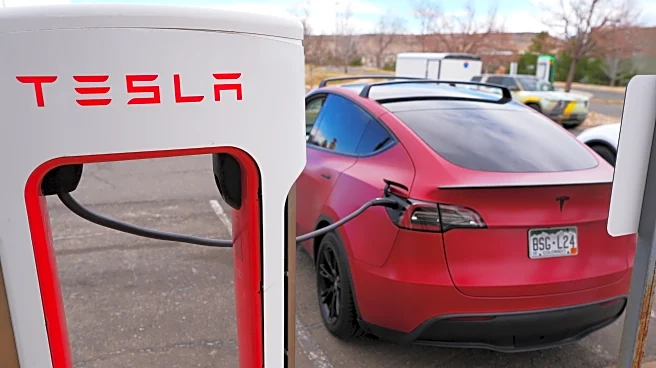
Tesla, led by Elon Musk, has confirmed that it will continue to purchase Nvidia chips for AI training workloads, despite its ongoing development of in-house chips through the Terafab project. This decision highlights Tesla's reliance on Nvidia's hardware
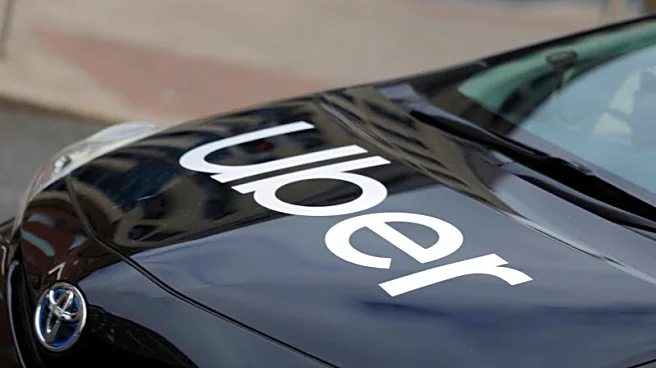
for large-scale data center training, even as it seeks to develop its own AI5 chip optimized for edge computing in products like Optimus and Cybercab. Nvidia's recent GTC conference showcased its Alpamayo autonomous driving platform, which has been adopted by companies like BYD, Hyundai, and Uber. Tesla's absence from the event underscores its unique position in the market.
Why It's Important?
Tesla's decision to maintain its partnership with Nvidia reflects the complexities of transitioning to in-house chip production. While Tesla aims for vertical integration, Nvidia's established technology remains crucial for its AI ambitions. This relationship highlights the broader industry trend of balancing in-house development with reliance on established suppliers. For Nvidia, Tesla's continued orders reinforce its position as a leading provider of AI hardware, even as it supplies competitors with similar technology. The dynamics between Tesla and Nvidia illustrate the challenges and opportunities in the rapidly evolving AI and autonomous vehicle sectors.
What's Next?
As Tesla progresses with its Terafab project, the company may eventually reduce its dependency on Nvidia. However, the timeline for this transition remains uncertain. In the meantime, Tesla's continued use of Nvidia chips suggests a strategic approach to balancing immediate needs with long-term goals. The development of Tesla's AI5 chip and its potential impact on the market will be closely watched. Additionally, Tesla's upcoming updates to its Full Self-Driving software and the expansion of its robotaxi service could further influence its technological partnerships and market strategy.