






What's Happening?
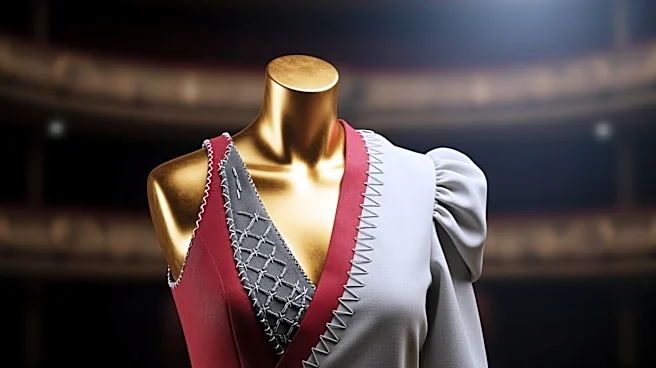
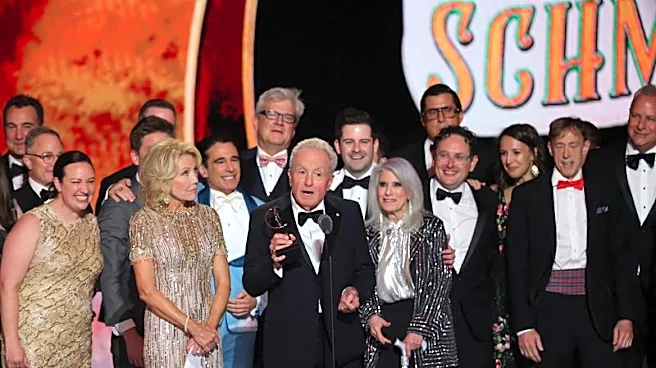
Qween Jean, a costume designer, has made history by becoming the first openly transgender person to win a Tony Award. She received the award for Best Costume Design of a Musical for her work on the revival of Andrew Lloyd Webber's 'Cats: The Jellicle
Ball.' In her acceptance speech, Qween Jean emphasized the importance of representation and the need for societal change, stating, 'We are here for the legacy of queer people, trans people ... we have to take up space. We have to shift the paradigm.' Her win is a significant milestone in the history of the Tony Awards, following previous nominations and wins by nonbinary and transgender performers in recent years.
Why It's Important?
Qween Jean's win is a landmark moment for the LGBTQ+ community, particularly for transgender individuals in the arts. It highlights the increasing recognition and inclusion of diverse voices in mainstream entertainment. This achievement not only celebrates Qween Jean's talent but also serves as an inspiration for other transgender and nonbinary artists striving for visibility and acceptance in the industry. The win underscores the ongoing shift towards more inclusive representation in theater, which can influence broader societal attitudes and policies regarding LGBTQ+ rights and visibility.
What's Next?
Following this historic win, there may be increased opportunities and visibility for transgender and nonbinary artists in theater and other entertainment sectors. The industry might see a push for more diverse storytelling and casting, reflecting the varied experiences of the LGBTQ+ community. Additionally, Qween Jean's success could inspire other award bodies to recognize and celebrate the contributions of transgender and nonbinary individuals, potentially leading to more inclusive practices across the arts.
Beyond the Headlines
Qween Jean's achievement could have deeper cultural implications, challenging traditional norms and encouraging a reevaluation of gender roles within the arts. It may also prompt discussions about the barriers faced by transgender individuals in various professional fields and the importance of creating supportive environments that allow for authentic expression and creativity. This win could contribute to a broader cultural shift towards acceptance and equality, influencing future generations of artists and audiences alike.