





What's Happening?
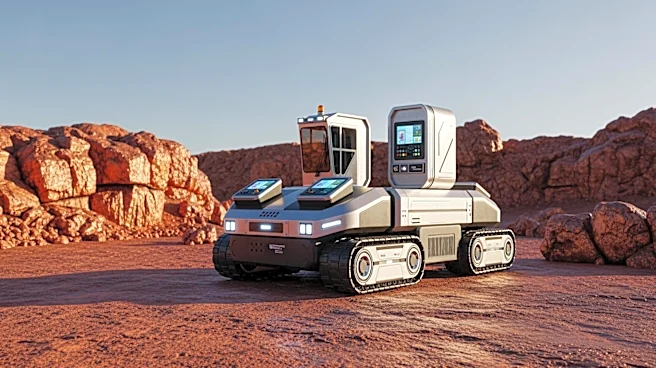
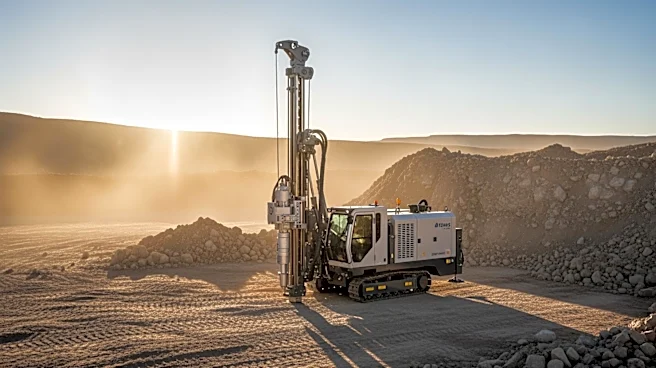
Mariana Minerals has reopened a copper mine in southeastern Utah, transforming it into the world's first autonomous mining operation. Led by CEO Turner Caldwell, a former Tesla executive, the company is utilizing advanced technology such as autonomous drills
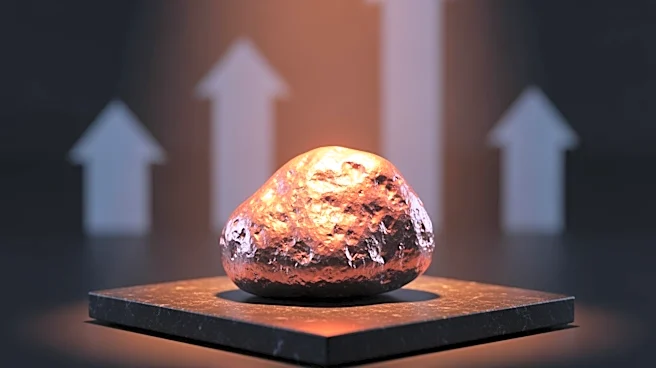
and robotic haul trucks to significantly reduce costs. The mine, located near Moab, aims to cut refining costs by 30% and mining costs by 50%. The company plans to produce 50,000 tons of refined copper annually by 2030, while also engaging in copper recycling. The reopening comes at a time when copper prices have reached a decade high of $13,000 per ton. The project has already attracted $100 million in venture capital funding. Utah Governor Spencer Cox has praised the initiative as a pivotal development for the state and the nation, emphasizing its potential to revitalize domestic manufacturing and mineral production.
Why It's Important?
The reopening of the Mariana Minerals copper mine represents a significant advancement in the use of artificial intelligence and automation in the mining industry. By reducing operational costs and increasing efficiency, the project could set a precedent for future mining operations globally. This development is particularly important for the U.S. as it seeks to reduce reliance on foreign mineral imports and strengthen domestic production capabilities. The initiative aligns with broader efforts to reestablish the U.S. as a leader in industrial production, potentially creating jobs and boosting local economies, especially in economically challenged areas like San Juan County, Utah. The project also highlights the growing trend of integrating advanced technology into traditional industries, which could lead to increased competitiveness and innovation in the U.S. economy.
What's Next?
Mariana Minerals plans to continue expanding its operations, with a goal of producing 50,000 tons of refined copper annually by 2030. The company will also focus on recycling pre-used copper, which could further enhance its sustainability efforts. As the project progresses, it is likely to attract more investment and interest from other companies looking to adopt similar technologies. The state of Utah, under Governor Cox's leadership, is expected to continue supporting initiatives that promote technological innovation and economic growth. This could involve further streamlining of permitting processes and incentives for companies in the critical minerals sector. The success of this project may also influence policy decisions at the federal level, encouraging more support for domestic mineral production and technological advancements in the industry.
Beyond the Headlines
The use of autonomous technology in mining raises important ethical and social considerations, particularly regarding employment. While automation can lead to cost savings and increased efficiency, it may also result in job displacement for workers in traditional roles. However, Mariana Minerals has reportedly retained many of the site's previous workers, suggesting a potential model for integrating human labor with advanced technology. Additionally, the project underscores the importance of developing domestic supply chains for critical minerals, which can enhance national security and economic resilience. As global supply chains face increasing instability, initiatives like this could play a crucial role in ensuring the U.S. remains competitive in the global market.