








What's Happening?
The United Arab Emirates (UAE) has decided to exit the Organization of the Petroleum Exporting Countries (OPEC) after nearly six decades of membership. This move is not expected to cause an immediate change in global oil supply but highlights the structural
limitations of OPEC's governance. The UAE's decision is driven by a desire for greater production flexibility and is not a geopolitical maneuver. The country has invested significantly in expanding its production capacity, which has been constrained by OPEC's quota system. Despite the exit, the UAE has emphasized its commitment to global market stability and has not indicated an immediate increase in production.
Why It's Important?
The UAE's departure from OPEC weakens the organization as an institution, reducing its ability to manage global oil supply effectively. This move reflects a broader trend of fragmentation in global trade and energy markets. For the UAE, the decision allows for more autonomy in production decisions, potentially benefiting major oil importers who may gain negotiating leverage. However, the exit also underscores the challenges faced by OPEC in maintaining cohesion among its members, as differing production capacities and economic needs create tensions within the cartel.
What's Next?
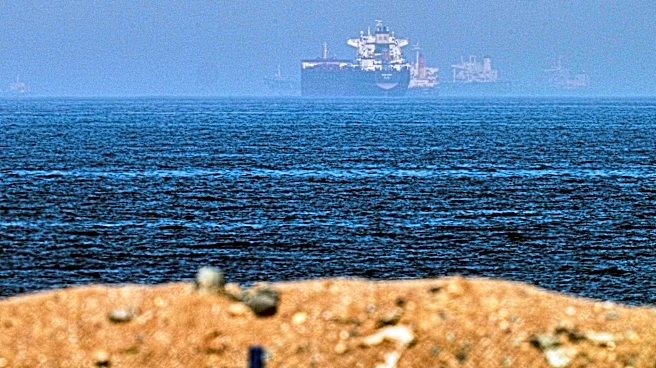
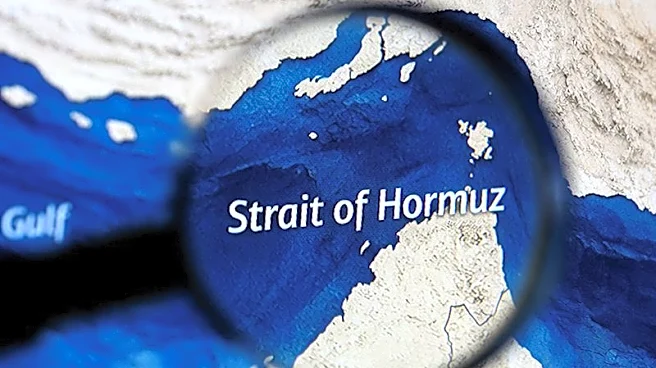
In the short term, the UAE's exit is unlikely to lead to a significant change in oil supply due to ongoing regional shipping disruptions. However, as conditions normalize, the UAE may gradually increase its production, potentially impacting global oil prices. OPEC will need to adapt to the loss of one of its key members with spare capacity, which could lead to a more centralized and less effective organization. The long-term implications for global oil markets will depend on how other OPEC members respond and whether the organization can maintain its influence.
Beyond the Headlines
The UAE's decision highlights the internal challenges faced by OPEC as it struggles to balance the diverse interests of its members. The move may signal a shift towards more bilateral and flexible supply arrangements in the global oil market. This could lead to increased competition among oil producers and potentially lower prices for consumers. Additionally, the UAE's exit may encourage other OPEC members to reconsider their participation in the cartel, especially those with significant production capacity and investment in expanding their output.