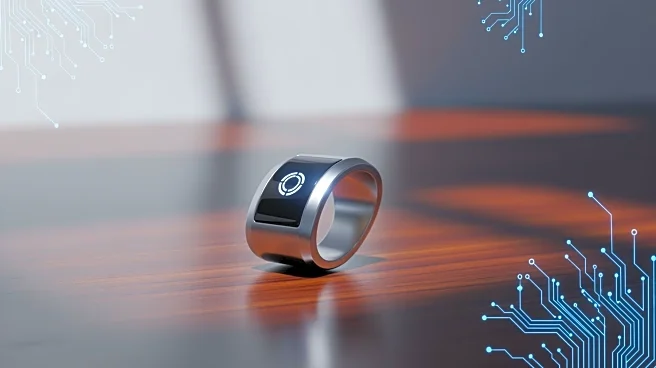

What's Happening?
The U.S. International Trade Commission ruled in favor of Oura in a patent infringement case against competitors RingConn and Ultrahuman. The ruling, which protects a specific smart ring hardware design,
has led to a ban on importing new rings from these companies into the U.S. This decision has significant implications for Ultrahuman, which had plans to expand its U.S. manufacturing to meet market demand. Oura's victory highlights ongoing legal battles in the smart ring market, with other companies like Samsung and Reebok also involved in disputes over similar patents.
Why It's Important?
This ruling underscores the competitive and litigious nature of the wearable technology market, particularly in the emerging category of smart rings. Oura's legal victory strengthens its position in the U.S. market, potentially limiting consumer choice and affecting the growth strategies of its competitors. The decision may also influence future innovation and patent strategies within the industry, as companies navigate the complexities of intellectual property rights. For consumers, this could mean fewer options and potentially higher prices as competition is reduced.
What's Next?
Following the ruling, companies like Ultrahuman may need to explore alternative strategies to enter or remain in the U.S. market, such as developing new designs that do not infringe on existing patents or negotiating licensing agreements. The outcome of ongoing and future legal disputes could further shape the competitive landscape, influencing which companies can offer their products in the U.S. market. Stakeholders will likely monitor these developments closely to assess their impact on market dynamics and consumer access to smart ring technology.