
What's Happening?
Philadelphia Phillies' star player Bryce Harper has responded to comments made by the team's President of Baseball Operations, David Dombrowski, who publicly questioned Harper's ability to return to Major
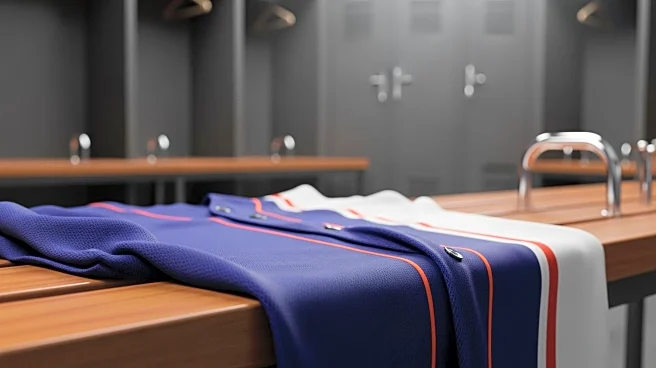
League Baseball as an elite player. This situation has been compounded by rumors of a potential trade involving Harper. In a symbolic gesture, Harper appeared at the batting cage wearing a jersey with the words 'Not Elite,' signaling his response to Dombrowski's remarks. Harper, who has not requested a trade, seems to be affected by the comments, which were intended to motivate him. The Phillies, under Dombrowski's leadership, are aiming to strengthen their position for the upcoming season, with the goal of making a strong playoff run and potentially winning the title.
Why It's Important?
The incident highlights the pressures and expectations placed on professional athletes, particularly those like Harper, who are seen as key figures in their teams. Dombrowski's comments reflect a traditional approach to motivation, which may not align with modern sports management practices. The Phillies are in a critical phase, with many players at their career peaks, and the team's window for success is narrowing. Harper's performance is crucial for the Phillies' aspirations, and his response to the criticism could influence team dynamics and morale. The situation underscores the evolving nature of athlete management, where direct communication is often replaced by media interactions.
What's Next?
The Phillies will need to address the internal dynamics between Harper and the management to ensure team cohesion. As the team prepares for the next season, Harper's performance and his relationship with Dombrowski will be under scrutiny. The Phillies' management may need to adopt more contemporary methods of player motivation and communication to align with the expectations of modern athletes. The outcome of this situation could impact the team's strategy and performance in the upcoming season.
Beyond the Headlines
This development sheds light on the broader cultural shift in professional sports, where athletes are increasingly viewed as individual brands. The traditional methods of motivation and communication are being challenged by the need for more nuanced and respectful interactions. The incident also raises questions about the role of media in shaping athlete-management relationships and the potential impact on team performance. As sports continue to evolve, organizations may need to adapt their approaches to align with the changing landscape.