


What's Happening?
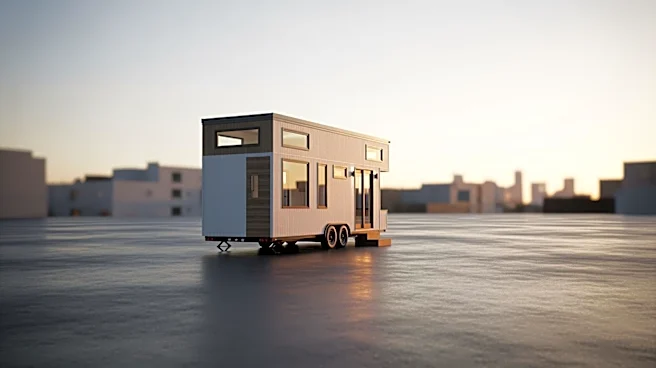
Jos van der Meulen and Fenna Wit, a couple living in the Netherlands, have built a tiny home for approximately $87,000 without taking on any debt. This decision has allowed them to live mortgage-free, significantly reducing their monthly housing expenses
to about $800, which includes insurance, utilities, and plot rental. As a result, they are able to save over 60% of their income while working only three days a week. The couple resides in a tiny home village called Minitopia, where they have found a supportive community and a sustainable lifestyle. Their choice to live in a tiny home was driven by the high cost of renting or buying a traditional home in the city, and their desire to avoid financial stress and enjoy more time with their two young children.
Why It's Important?
The decision by van der Meulen and Wit to live in a tiny home highlights a growing trend towards minimalism and financial independence. By reducing their living expenses, they have achieved a level of financial freedom that allows them to prioritize family time and personal well-being over traditional work commitments. This lifestyle choice challenges conventional norms about home ownership and work-life balance, offering a viable alternative for those seeking to escape the cycle of high housing costs and long work hours. It also underscores the potential for tiny homes to provide affordable housing solutions in areas with high real estate prices, potentially influencing housing policies and urban planning.
What's Next?
The couple plans to continue living in their tiny home while exploring opportunities to build and sell additional tiny homes as a source of income. This venture could further enhance their financial stability and allow them to pursue their interests without the pressure of full-time employment. Their experience may inspire others to consider alternative housing options and advocate for more tiny home communities, potentially leading to increased acceptance and support for this lifestyle. Additionally, as their children grow, the family may reassess their living arrangements, balancing the benefits of a tiny home with the needs of a growing family.
Beyond the Headlines
The tiny home movement, as exemplified by van der Meulen and Wit, raises important questions about sustainability, community living, and the future of housing. By choosing a minimalist lifestyle, they are reducing their environmental footprint and promoting a more sustainable way of living. Their experience also highlights the importance of community support in non-traditional living arrangements, as tiny home villages like Minitopia provide a network of like-minded individuals who share resources and support each other. This model of living could influence future urban development, encouraging the creation of more sustainable and community-oriented housing solutions.