





What's Happening?
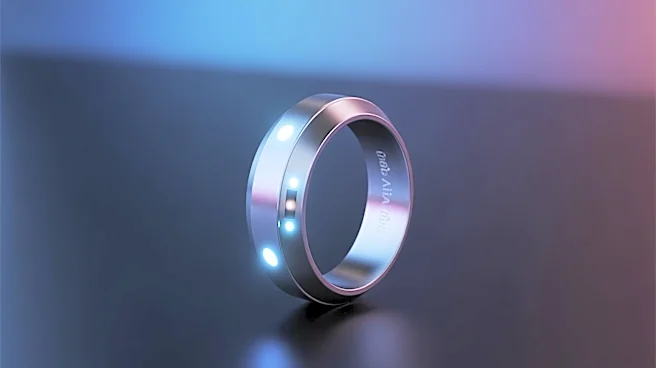
The article discusses the top wearable devices for sleep tracking, highlighting their features and benefits. Among the devices mentioned are the Oura Ring 4, Whoop 5.0, and Fitbit Inspire 3. The Oura Ring 4 is noted for its Smart Sensing technology, which
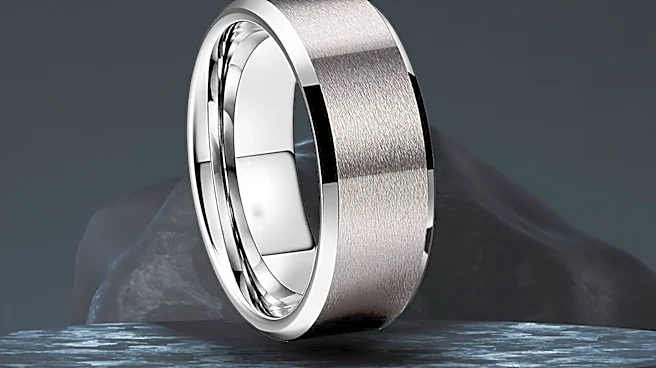
analyzes sleeping habits, stress levels, and heart rate to provide personalized results. It requires a subscription for full access to its features. The ring is lightweight, made of titanium, and offers a snug fit, which helps in accurate data collection. The Fitbit Inspire 3 is recommended for beginners in sleep tracking, offering additional features with a premium membership. These devices aim to help users establish better sleep routines and improve overall sleep quality.
Why It's Important?
The growing interest in wearable technology for health monitoring reflects a broader trend towards personalized healthcare solutions. These devices provide users with insights into their sleep patterns, which can lead to improved health outcomes. By understanding and optimizing sleep, individuals can enhance their daily performance, mental health, and overall well-being. The market for sleep tracking devices is expanding, driven by consumer demand for health optimization tools. This trend also highlights the increasing role of technology in personal health management, offering opportunities for tech companies to innovate and capture market share.
What's Next?
As the demand for wearable sleep tracking devices grows, companies are likely to continue innovating, offering more advanced features and integrations with other health monitoring systems. Consumers can expect improvements in data accuracy, user experience, and device interoperability. Additionally, there may be increased collaboration between tech companies and healthcare providers to integrate these devices into broader health management programs. This could lead to more personalized healthcare solutions and potentially influence public health policies regarding sleep and wellness.