



What's Happening?
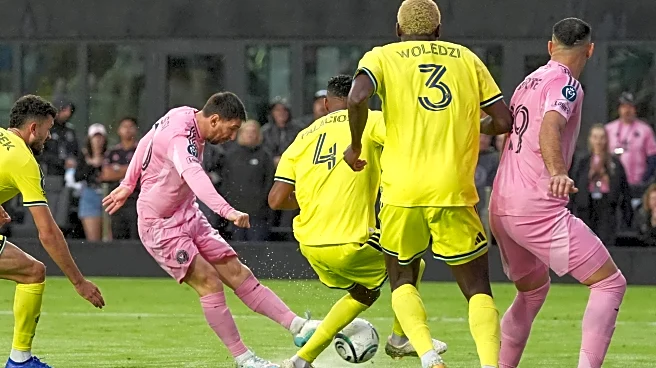
Lionel Messi, captain of Argentina and Inter Miami, expressed disappointment over the cancellation of the Finalissima match against Spain, which he viewed as a vital competitive opportunity ahead of the World Cup. According to sources, Messi was not involved
in the discussions that led to the cancellation. The match, originally scheduled for March 27 in Qatar, was called off due to ongoing regional conflicts. UEFA and the organizing authorities explored alternative venues and dates, but these were ultimately rejected by the Argentinian Football Association. Messi had hoped to use the match as a chance to secure the 49th team title of his career, further cementing his status as one of football's most decorated players.
Why It's Important?
The cancellation of the Finalissima deprives Messi and his team of a significant preparatory match ahead of the World Cup, potentially impacting their competitive edge. For Messi, the match represented an opportunity to add another prestigious title to his career achievements. The decision also highlights the broader challenges faced by international sports organizations in navigating geopolitical tensions and ensuring the safety of events. The inability to hold the match as planned reflects the complex interplay between sports and politics, where external factors can disrupt even the most anticipated events. This situation underscores the need for flexible planning and contingency strategies in international sports scheduling.