





What's Happening?
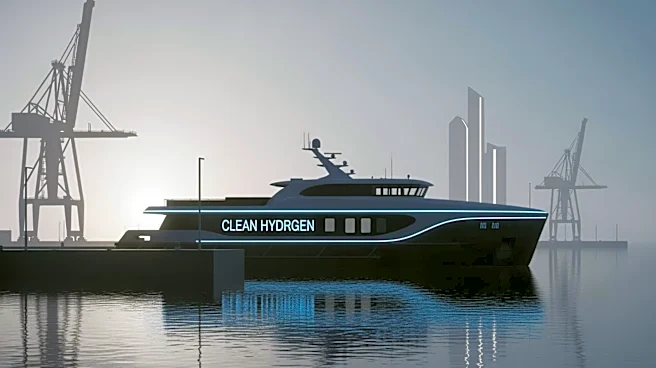
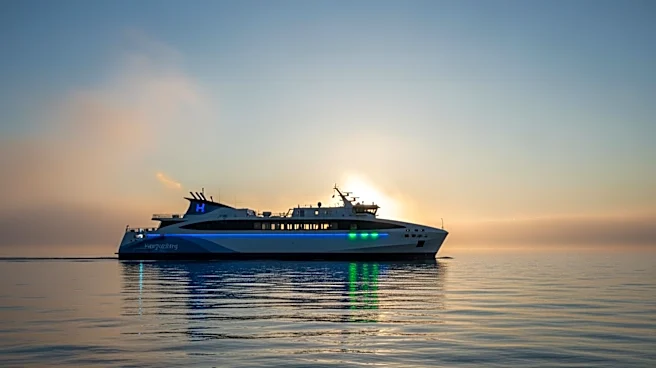
ST Engineering Marine has received an Approval in Principle (AiP) from RINA for a retrofit concept that involves integrating a hydrogen-powered fuel cell system into a fast passenger ferry. This approval pertains to the Asean Raider I ferry, where one
of its auxiliary diesel generators will be replaced with a hydrogen fuel cell system supported by lithium-ion batteries. The initiative is designed to lower carbon emissions while ensuring safety, performance, and regulatory compliance. The assessment was conducted according to RINA classification rules and international safety codes for ships using low-flashpoint fuels. Lim Nian Hua, Deputy President of Marine at ST Engineering, highlighted that this approval marks a significant milestone in expanding their retrofitting capabilities and demonstrates their engineering expertise in integrating new technologies into existing vessels.
Why It's Important?
The approval of this hydrogen retrofit concept is a crucial step towards reducing emissions in the maritime industry, which is under increasing pressure to adopt more sustainable practices. By replacing traditional diesel generators with hydrogen fuel cells, ST Engineering is contributing to the industry's shift towards cleaner energy sources. This development not only supports environmental goals but also aligns with global regulatory trends pushing for lower emissions in maritime operations. The successful implementation of such technologies could set a precedent for other maritime companies, potentially leading to widespread adoption of hydrogen fuel cells and other alternative energy solutions in the sector.
What's Next?
Following the Approval in Principle, ST Engineering will likely proceed with detailed engineering and further testing to ensure the feasibility and safety of the hydrogen fuel cell system in real-world operations. The company may also explore additional retrofitting opportunities for other vessels, leveraging the knowledge and expertise gained from this project. Stakeholders in the maritime industry, including regulatory bodies and environmental groups, will be closely monitoring the progress and outcomes of this initiative, as it could influence future regulations and industry standards regarding emissions and alternative fuels.