
What's Happening?
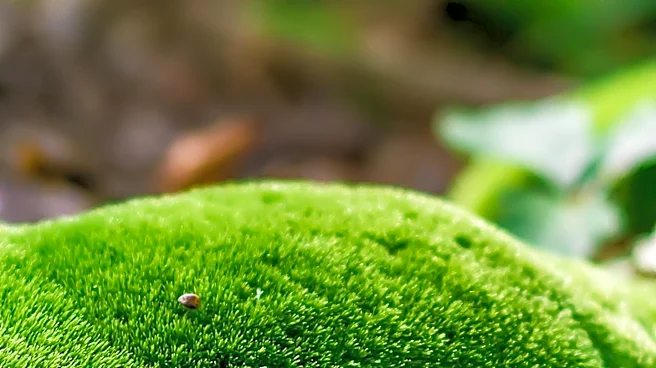
The Bloedel Reserve in Washington State is home to a Japanese-inspired Moss Garden, where visitors can explore the beauty and resilience of moss. Moss, which are flowerless and non-vascular plants, have
survived for over 450 million years through various climatic conditions. The garden features dozens of moss species, highlighting their role as some of nature's tiniest habitats. Additionally, Lewis & Clark College hosts an annual Moss Appreciation Week, celebrating the aesthetic and ecological significance of moss. These events aim to educate the public on the importance of moss in ecosystems and its unique characteristics.
Why It's Important?
Moss plays a crucial role in ecosystems by providing habitats for small organisms and contributing to soil formation and moisture retention. The appreciation and study of moss can lead to greater awareness of biodiversity and the importance of preserving natural habitats. Events like Moss Appreciation Week and gardens dedicated to moss can inspire conservation efforts and promote environmental education. Understanding moss's resilience and adaptability can also offer insights into climate change and the survival strategies of ancient plant species.